
Aumanufacturing


Lithium industry support key to future of local production
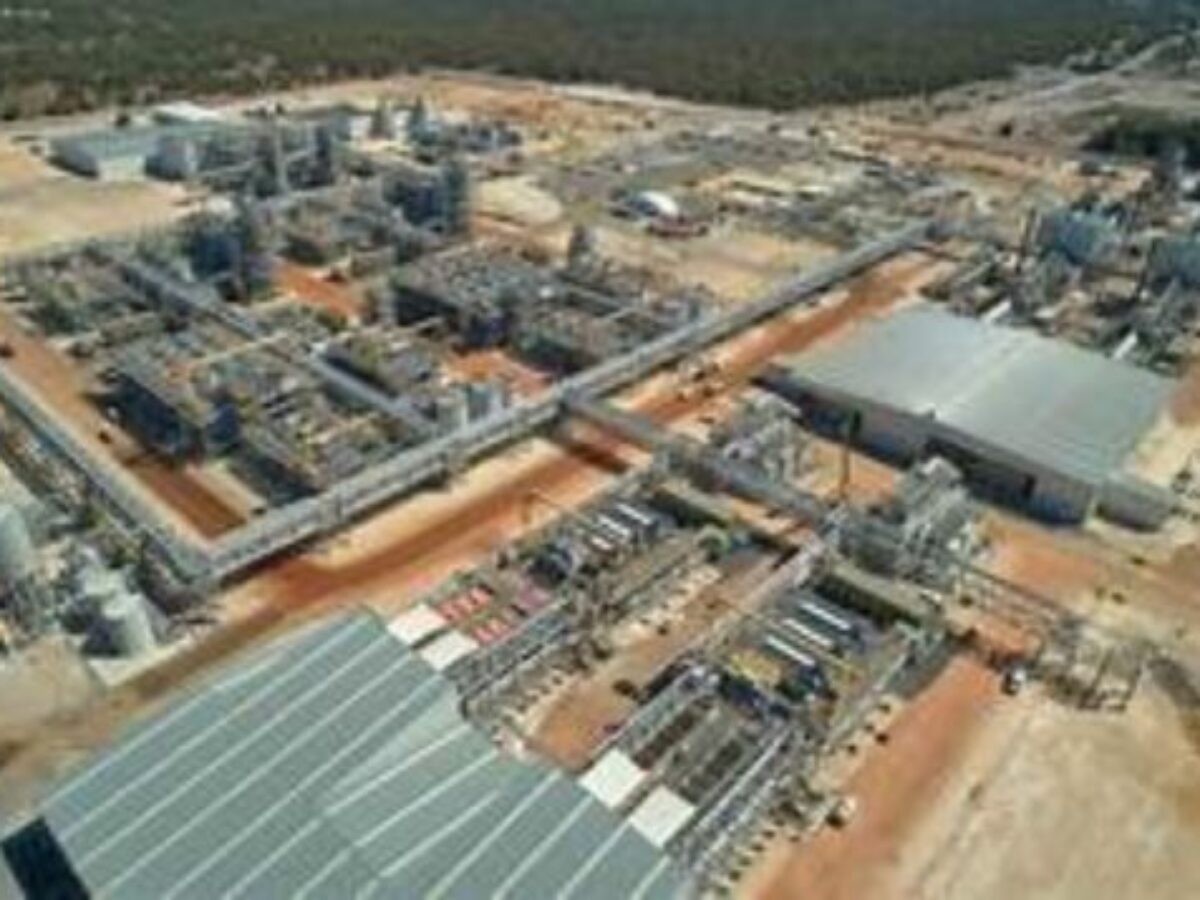
The federal government's Critical Minerals Production Tax Incentive is taking on increasing importance with US lithium producer Albemarle scaling back its lithium production plans Kemerton plant near at Bunbury in Western Australia which has been hit by fluctuating commodity prices.
Albemarle has announced it will halt construction of the third production train at the facility and place the second train into care and maintenance, with the loss of 300 jobs
Each train at Kemerton train has the capacity to produce about 25,000 tonnes of lithium hydroxide annually.
The Minister for Resources Madeleine King highlighted the tax incentive which was budgeted in 2024 at $17.6 billion over 14 years in driving more processing and value-adding of critical minerals onshore in Australia.
King said in a statement that the decision by Albemarle to downgrade its lithium hydroxide processing operations underlined the continuing volatility of international critical minerals markets.
“As Albemarle has made clear, this decision is the result of global market conditions.
“Importantly, Albemarle has committed to improving production at one processing train at its Kemerton plant and believes there will continue to be lithium hydroxide processing in Kemerton well into the future.”
King said the problem was complex, with lithium prices falling 80 percent in the past 12 months.
King's statement said: “Current conditions in lithium markets highlight the importance of policy support for Australia's critical minerals sector to help address distortions in global markets and secure opportunities for Australia to be a key supplier of high quality refined critical minerals.
“The decision underlines the need to provide significant support to our critical minerals sector.”
King said production tax credits would help build sovereign capability, increase local resilience, add additional value to Australian commodities and grow jobs.
Picture: Albemarle

🌍 World
Worldwide Players
Except Australian players

📰 News
Latest Updates
Loading latest news…
More in this section

@aumanufacturing Sections
Analysis and Commentary Awards Casino reviews Defence Gambling Manufacturing News No deposit Bonus codes Online Casino Podcast Technology Videos