
Aumanufacturing


How Australian scientists convinced yeast to make human proteins (and why that’s amazing)
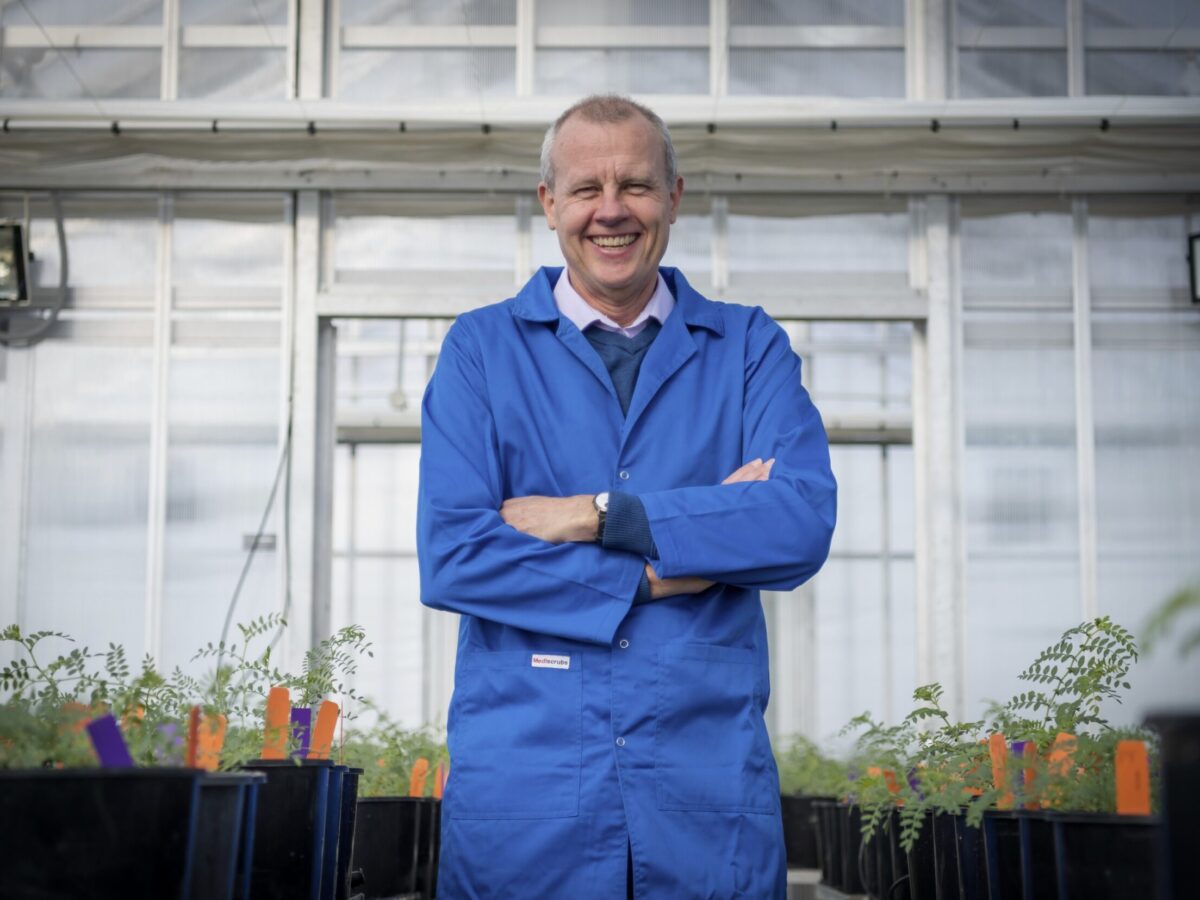
Meet the startup that's teaching yeast to become a health and beauty powerhouse – without harming a single animal in the process.
Eclipse Ingredients has spun out of CSIRO with its sights set on a multi-billion-dollar opportunity to revolutionise how we access crucial health-beneficial ingredients across multiple industries, using nothing more than clever fermentation techniques.
Think of it as molecular wizardry: the company engineers yeast to produce proteins and compounds that mirror those found in humans and animals, but without the traditional sourcing complications. It's like having a microscopic factory that can churn out exactly what you need, when you need it.
The company's first target is human lactoferrin, a powerhouse ingredient that delivers anti-inflammatory and antimicrobial effects, plus microbiome and immune support. Currently, getting your hands on this stuff is either difficult, expensive, or sometimes downright impossible through traditional methods.
Chief executive and co-founder Siobhan Coster said precision fermentation could unlock access to previously unavailable ingredients while offering a more scalable and sustainable approach.
“We're harnessing advances in the age-old fermentation process to create ingredients that simply weren't previously accessible,” Coster said.
“Precision fermentation works by engineering microorganisms, such as yeast, to produce proteins and other compounds that mirror those found in humans or animals with similar nutritional and functional profile.”
While Eclipse's initial focus is cosmetics, human lactoferrin can deliver health benefits across food and supplements, opening opportunities to support health and wellbeing.
CSIRO Research Lead Dr Crispin Howitt said Eclipse Ingredients demonstrated how Australia was helping to meet the world's growing needs for trusted, sustainable and high-quality ingredients.
The company is working with CSIRO, AgFunder and the Food and Beverage Accelerator to scale up production, turning laboratory innovation into commercial reality.
Picture: credit CSIRO

🌍 World
Worldwide Players
Except Australian players

📰 News
Latest Updates
Loading latest news…
More in this section




@aumanufacturing Sections
Analysis and Commentary Awards Casino reviews Defence Gambling Manufacturing News No deposit Bonus codes Online Casino Podcast Technology Videos