
Aumanufacturing
Green iron production could boost Australia’s economy by up to $295 billion annually: new report
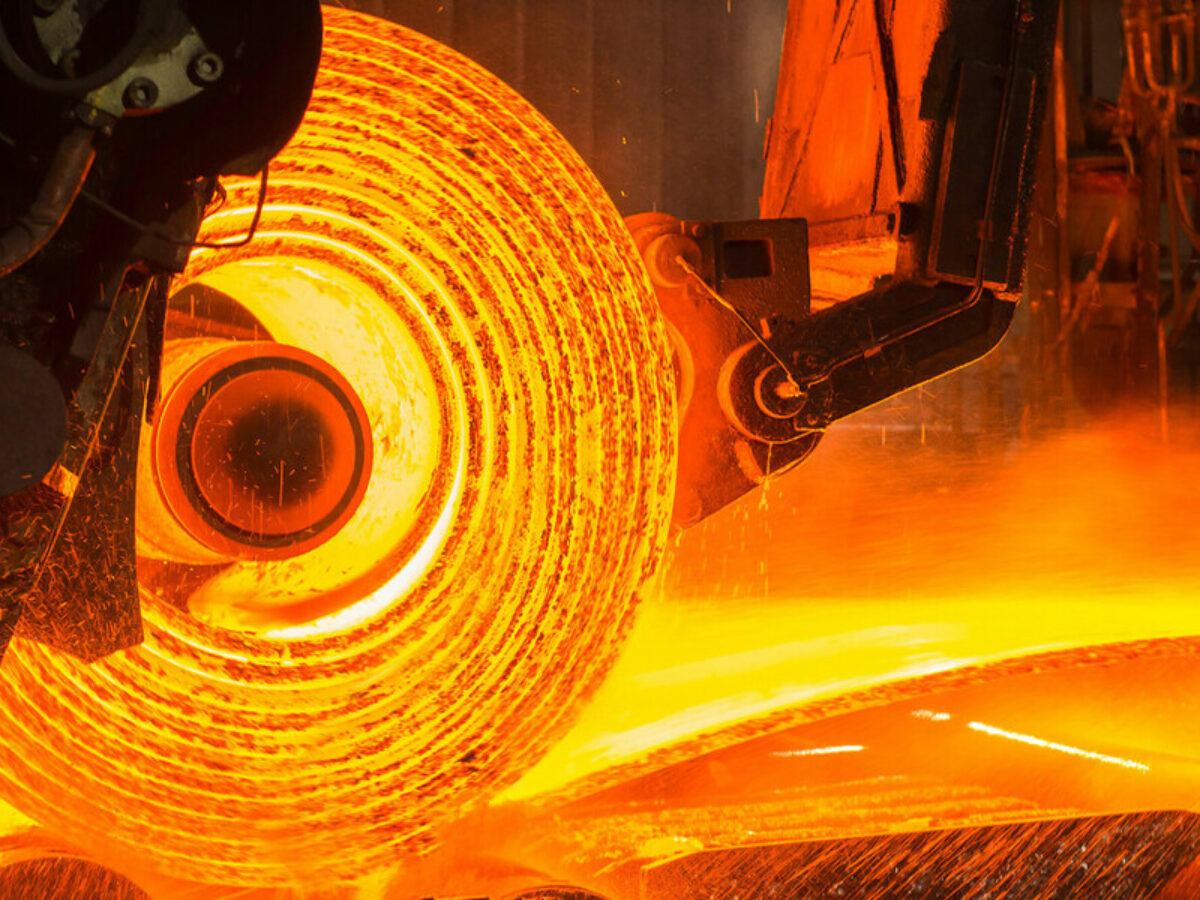
Producing iron using renewable hydrogen is Australia's best pathway to remain competitive as the global steel industry decarbonises, according to research published by Deloitte and WWF-Australia on Wednesday.
The report, titled Forging Futures: Changing the nature of iron and steel production, assessed different approaches for Australia to support steelmaking decarbonisation in the Asia-Pacific region, which hosts nine of the world's ten largest steel producers.
Manufacturing green iron has the potential to deliver between $96 billion and $295 billion per year to Australia's economy, the report stated.
“Exporting green iron is Australia's natural sweet spot,” said Georgine Roodenrys, Partner at Deloitte Australia.
“Our massive iron ore reserves, renewable energy and green hydrogen potential, and proximity to Asian markets gives us a competitive advantage over other prospective exporters.”
The report examined alternative pathways such as exporting green hydrogen and iron ore, and gas-based iron production, but found these options were either too expensive or unviable.
Steelmaking currently accounts for up to 9 per cent of global greenhouse gas emissions and must reduce its carbon footprint to help limit global temperature rise to 1.5°C under the Paris Agreement. This presents both challenges and opportunities for Australia as the steel industry's largest supplier of raw materials like iron ore and coal.
The research identified environmental concerns, noting that current or announced projects required to deliver green iron exports overlap with more than half of Australia's fifteen biodiversity hotspots, including areas in the Pilbara and Northern Kimberley.
WWF-Australia's Industry Decarbonisation Manager (Steel), Nicole Wyche, said specific protections are needed to preserve nature throughout the lifecycle of mining and industrial activities.
“While rapid decarbonisation is essential, if not managed effectively, it has the potential to further damage Australia's natural assets,” she said.
The report also highlighted that approximately 65 per cent of iron ore assets are on land subject to a Native Title Declaration, yet only 1 per cent of current renewable energy projects in Australia provide equity benefits to Indigenous communities, compared to 20 per cent in Canada.
To capitalise on the green iron opportunity, the report called for the Australian Government to increase renewable energy deployment, provide incentives for early green iron projects, strengthen trade partnerships, and support the introduction of a carbon price for the Asia-Pacific region.
“At the current pace, it would take over 100 years to deploy the necessary renewables to replace 10 per cent of Asian steelmaking with green iron,” Roodenrys said.
WWF-Australia acknowledged the federal government's recent announcement of a $1 billion Green Iron Investment Fund as an important step, but emphasised that further investment is needed.
Picture: supplied

🌍 World
Worldwide Players
Except Australian players

📰 News
Latest Updates
Loading latest news…
More in this section



@aumanufacturing Sections
Analysis and Commentary Awards Casino reviews Defence Gambling Manufacturing News No deposit Bonus codes Online Casino Podcast Technology Videos