
Aumanufacturing


Manufacturing news briefs — stories you might have missed
ASC selects Siemens’ industrial software Collins sub fleet
Australia’s submarine company, ASC, has selected Siemens’ software to help it sustain the Collins Class submarine fleet. The Collins Class sustainment program (CCSM) – which will extend into the 2040s – will use Teamcenter Product Lifecycle Management (PLM) software from the Siemens Xcelerator portfolio. Peter Halliday, CEO of Siemens Australia and New Zealand and member of the Ai Group Defence Council, said: “We understand the critical connection between advanced technology and software and advanced capability and outcomes. Using industrial software on vital defence programs like CCSM not only strengthens Australia’s sovereign capability – it also drives growth and innovation throughout the supply chain and wider economy.”
Tailored heart pump could transform care for half of heart failure patients
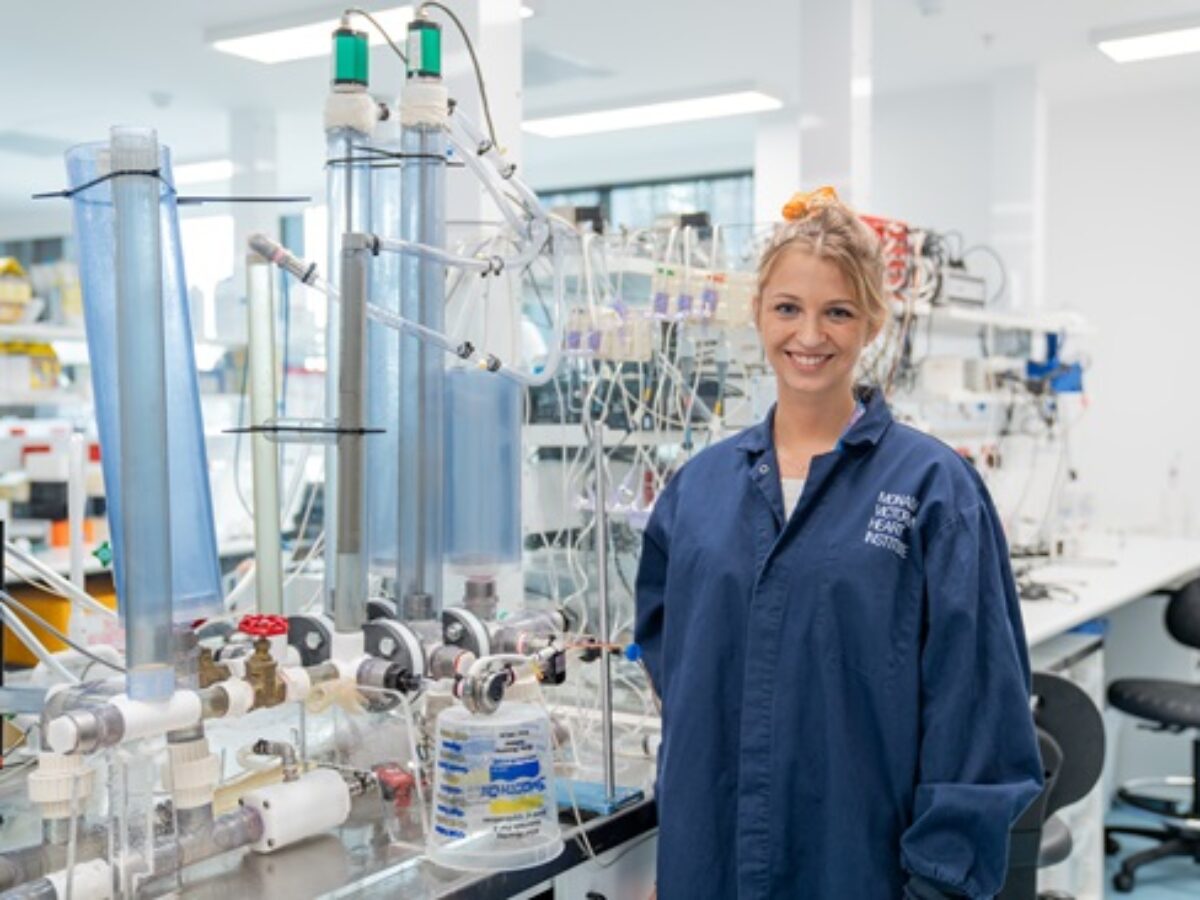
Now, Monash University engineers are developing what the university says is a breakthrough heart pump that could finally offer half of the 64 million people living with heart failure a solution, after previously only having access to medication or palliative care. The reimagined heart pump could offer hope for patients suffering from heart failure with preserved ejection fraction (HFpEF), a form of heart failure difficult to treat. A Monash study proposes a new heart pump design addressing “the unique challenges of this condition by improving blood flow and alleviating the strain on the heart” and has been published in the Annals of Biomedical Engineering. Mechanical engineering PhD candidate and study lead-author Nina Langer said in a statement: “The results underscore the need for dedicated heart pumps designed for this patient group, rather than repurposing devices developed for other types of heart failure. A dedicated pump could transform care for millions, offering a new lease on life for those currently left with few options.”
Engineers Australia and other want national registration scheme
Australia’s peak engineering and professional services organisations have joined forces to ask the Australian government to introduce a national registration scheme for professional engineers, which they say would “boost productivity, enhance public safety and cut red tape.” In a joint letter to treasurer Jim Chalmers, Engineers Australia, Consult Australia, Professionals Australia and the Institute of Public Works Engineering Australasia signalled commitment to working with governments across Australia “to replace the current fragmented system with a unified approach that delivers for the government, businesses, practitioners and the community” the four organisations said this week. “Engineers Australia was pleased that federal, state and territory treasurers announced in September that they would look at reform opportunities in occupational licensing across a number of trades and occupations,” said Romilly Madew, CEO of Engineers Australia. “A national scheme for engineers would streamline regulation, enhance public safety and help Australia meet its future infrastructure and workforce needs.”
Done responsibly, waste-to-energy can support regional economies: Monash University expert
As the NSW Select Committee on Proposed Energy from Waste Facilities examines the social, environmental and economic impacts of projects such as those planned for Parkes and Tarago, Monash University's Dr Jenny Zhou has spoken of waste-to-energy as a practical alternative to landfill. Noting that landfill consumes land and produces greenhouse gas emissions and leachate that can contaminate soil and water, Zhou said waste-to-landfill can also generate electricity and heat — and jobs — for nearby industries and communities. “Once built, these facilities can operate for 30 to 40 years, so the decisions we make today will shape outcomes for decades,” said Zhou. “We need modern technology, clear regulation, transparent monitoring, and genuine community engagement to ensure they’re safe, efficient and trusted over the long term.”
BluGlass refreshes board
Compound semiconductor developer and manufacturer BluGlass has appointed Non Executive Director Omer Granit as Executive Chair, leading a refreshed board during the next phase for the company. This week the company announced that Chair James Walker and Non-Executive Director Stephe Wilks will not be seeking reappointment at the upcoming AGM, resigning with effect from November 10. The pair were “instrumental in leading the business from its deep R&D roots as a semiconductor capital equipment IP company into one of Australia’s only vertically integrated semiconductor manufacturers with global operations and full-suite capabilities”, it said. Immediately joining the board as independent Non-Executive Directors are commercial barrister and governance specialist Lucy Robb Vujcic; and revenue growth and go-to-market strategist Ata Gokyildirim. US-based Omer Granit — an entrepreneur, investor, and lawyer, and a partner at New York-based investment firm EnPar Capital — said: “BluGlass is primed to become a global leader in visible lasers – critical to the future of defence, aviation, quantum, and next-generation computing” and is in a “unique position to take share as the US reshores much of its advanced defence and deep-tech manufacturing capabilities.”
Picture: supplied
Topics Manufacturing News

🌍 World
Worldwide Players
Except Australian players

📰 News
Latest Updates
Loading latest news…
More in this section




@aumanufacturing Sections
Analysis and Commentary Awards Casino reviews Defence Gambling Manufacturing News No deposit Bonus codes Online Casino Podcast Technology Videos