
Aumanufacturing


New CEFC report claims $30 billion savings benefit via Pilbara Common User Transmission Infrastructure
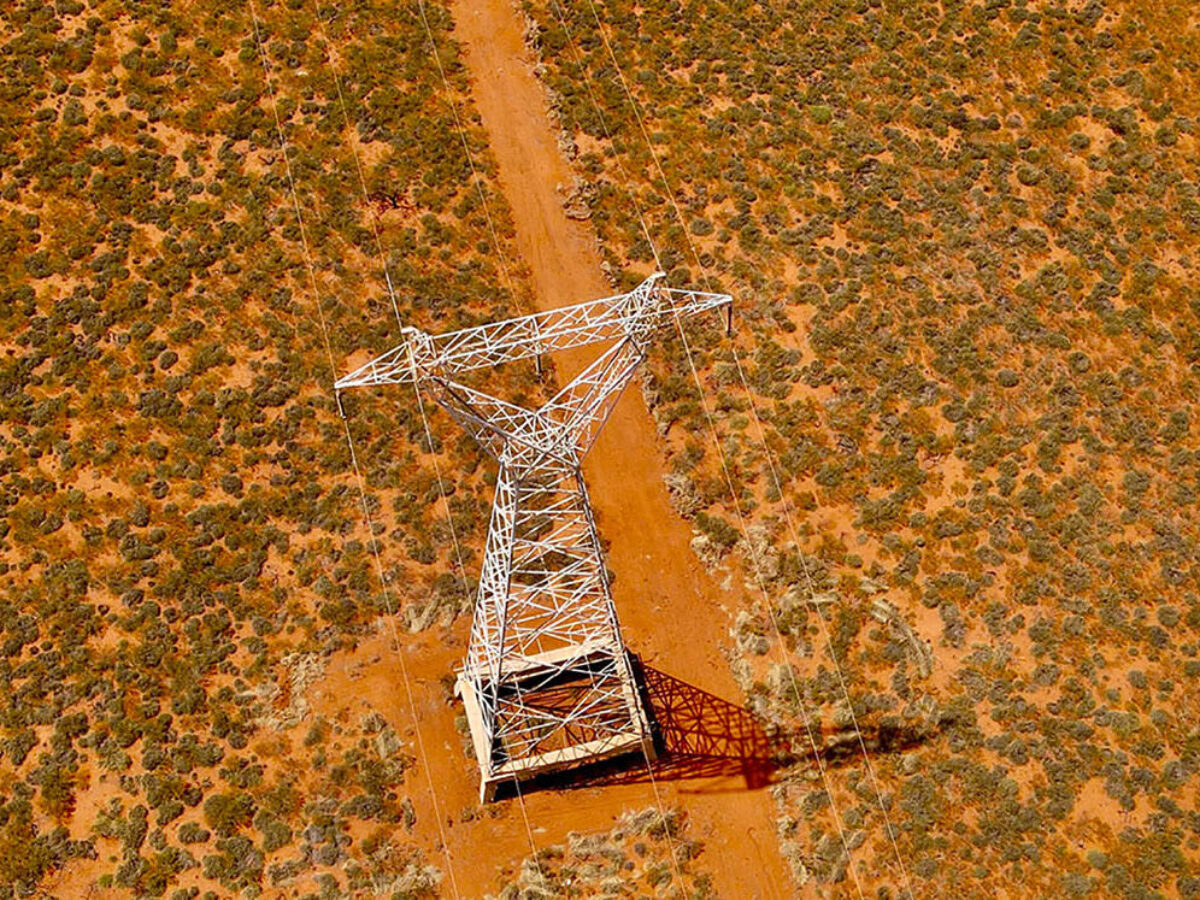
Cooperative investment in electricity transmission and generation infrastructure in the Pilbara could save the nation more than $30 billion over the next quarter-century, according to a new report commissioned by the federal government’s “green bank”, the Clean Energy Finance Corporation.
The region contributes approximately 23 per cent of Australia’s industrial emissions, due to its heavy concentration of hard-to-abate mining, resources and industrial sectors.
The new report, written by Marsden Jacob Associates (MJA) and titled Common user transmission and decarbonising Pilbara energy demand, advocates for a Common User Transmission Infrastructure (CUTI) system, enabling “multiple users and generators to connect to a single, shared grid, replacing the traditional model where each miner builds and operates private, siloed infrastructure.”
According to a summary of findings from the CEFC, the report finds a $30 billion savings opportunity versus “a fragmented, go-it-alone approach”, which is made up of “$4 billion in avoided transmission costs and $26 billion in avoided generation and storage costs over 25 years.”
It also claims a 21 per cent reduction in land required for transmission, 29 per cent reduction in new transmission line length under the CUTI approach, and 16 per cent reduction in required renewable energy and storage capacity assets.
Ian Learmonth, the CEO of the CEFC, said on Monday that, “This report confirms that smarter, shared infrastructure delivers both climate and economic wins. It is the kind of solution that strengthens Australia’s position as a future energy superpower.
“We are proud to support this work, building on the WA Government’s leadership in advancing shared transmission planning in the Pilbara. It shows what can be achieved when policy leadership, commercial opportunity and clean energy innovation come together with a shared goal.”
Picture: credit WA government
Further reading
Study weighs up Pilbara’s green iron age opportunity
Pilbara hydrogen hub gets $140m government backing
Rio Tinto’s new investment in Pilbara renewable energy

🌍 World
Worldwide Players
Except Australian players

📰 News
Latest Updates
Loading latest news…
More in this section

@aumanufacturing Sections
Analysis and Commentary Awards Casino reviews Defence Gambling Manufacturing News No deposit Bonus codes Online Casino Podcast Technology Videos