
Aumanufacturing

Researchers develop solution to turn waste masks into electronics components
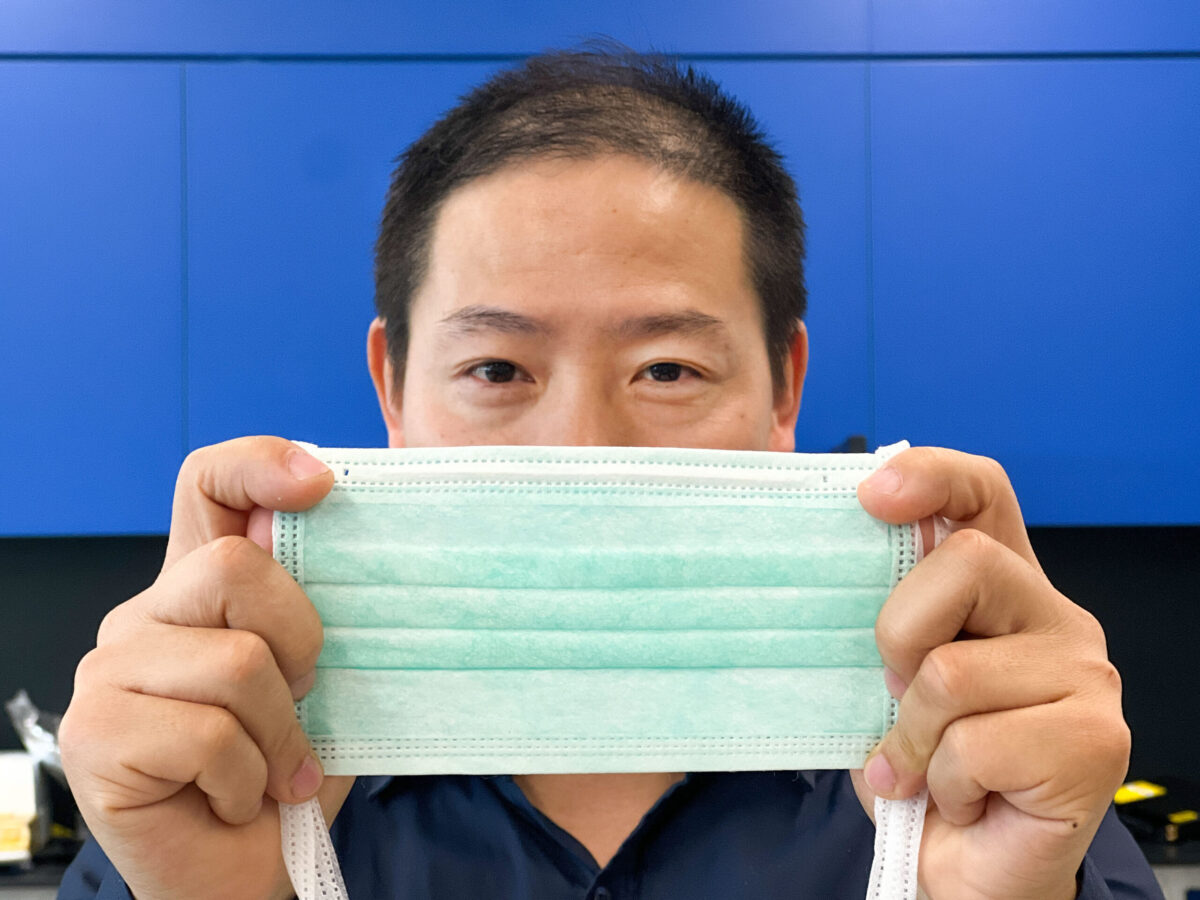
Researchers from the University of Southern Queensland have developed a technique to convert discarded face masks into valuable components for electronic devices, addressing a major global pollution problem.
The study, published in Nano-Micro Letters, found that more than 950 billion masks equivalent to about 3.8 million tonnes have been discarded worldwide over the past four years, with most ending up in landfills or being incinerated.
The research team, working with colleagues in China, developed a new technique to extend the life of polypropylene materials from discarded masks by breaking them down and repurposing them into components for smartphones and LED lights.
Senior researcher Prof Pingan Song said the innovation could significantly reduce the environmental impact of disposable masks.
“Incinerating waste masks release toxic gases such as dioxins and furans, causing air pollution, while landfilled masks not only take hundreds of years to degrade fully but often generate large amounts of microplastics,” Song said.
The team investigated the thermal conductivity and electromagnetic interference shielding properties of nanocomposites derived from recycled polypropylene-based waste masks, using a surface treatment and hot-pressing process that converts masks into functional films.
The study found that the regenerated nanocomposites exhibit metal-like thermal conductivity and effective electromagnetic interference shielding, offering potential to help cool electronic devices and shield against electromagnetic signals.
“This research presents a novel upcycling method that tackles pollution from discarded masks while converting them into low-cost yet high-value nanocomposite products,” Song said.
The research offers industries an affordable, high-performance solution for developing advanced heat dissipation and electromagnetic shielding materials and opens new economic opportunities in electronics and recycling.
Song said the team intends to collaborate with industry to develop more value-added products, such as heat sinks for chips and electronic devices. They also aim to convert waste masks into high-value carbon nanomaterials within the next three years.
The study was co-authored by UniSQ's Prof Polly Burey and researchers from Beijing Forestry University, Nanjing Forestry University, and Beijing University of Chemical Technology.
Picture: supplied

🌍 World
Worldwide Players
Except Australian players

📰 News
Latest Updates
Loading latest news…
More in this section




@aumanufacturing Sections
Analysis and Commentary Awards Casino reviews Defence Gambling Manufacturing News No deposit Bonus codes Online Casino Podcast Technology Videos