
Aumanufacturing


Trump flags tariffs of 200 per cent on pharmaceuticals, 50 per cent on copper
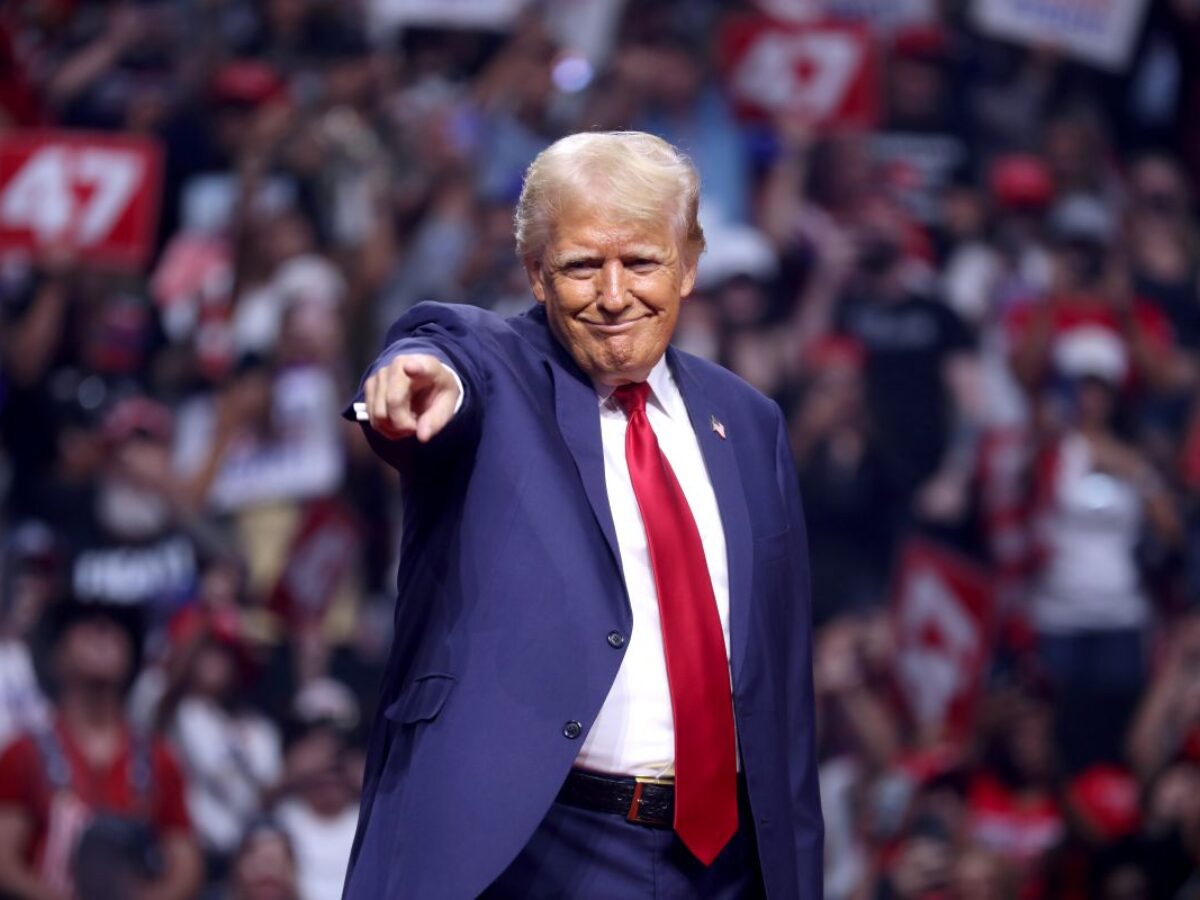
US President Donald Trump has flagged a possible 200 per cent tariff on pharmaceuticals and a 50 per cent tariff on copper, as the ABC reports, with potential significant implications for Australian manufacturers.
Speaking to media before a cabinet meeting, Trump said pharmaceutical producers would receive a grace period to move production to the United States before facing punitive tariffs.
“We're going to give [drug manufacturers] about a year, a year and a half to come in, and after that, they're going to be tariffed,” Trump said, according to the ABC.
“They're going to be tariffed at a very, very high rate, like 200 per cent. We'll give them a certain period of time to get their act together.”
The pharmaceutical tariffs could be particularly challenging for Australia. Last year, Australia exported $1.4 billion in pharmaceutical products to the US, representing more than 40 per cent of its total pharmaceutical export value of $3.2 billion.
Commerce Secretary Howard Lutnick suggested a final decision on pharmaceutical tariffs had not been made, with his department's investigation into pharmaceutical imports to be completed at the end of the month.
For copper, Trump announced plans for a 50 per cent tariff, bringing it in line with existing tariffs on aluminium and steel. However, copper represents a smaller exposure for Australia, with sales to the US last year valued at just $36 million – less than 1 per cent of Australia's total copper exports worth $4.4 billion.
Lutnick said the copper tariff would probably take effect at the end of July or start of August.
The announcements come after Trump released letters to foreign leaders outlining new country-specific tariffs to take effect on 1 August. Australia is not expecting an increase in the 10 per cent tariff already imposed on its exports.
The Productivity Commission released modelling on Monday projecting Australia could enjoy a small economic benefit from Trump's tariffs, but warned that an escalating global trade war would be “very bad for Australia”.
Picture: credit Gage Skidmore (CC BY-SA 2.0)

🌍 World
Worldwide Players
Except Australian players

📰 News
Latest Updates
Loading latest news…
More in this section




@aumanufacturing Sections
Analysis and Commentary Awards Casino reviews Defence Gambling Manufacturing News No deposit Bonus codes Online Casino Podcast Technology Videos