
Aumanufacturing


BlockTexx and INGWE take their reborn fashion accessories to a Paris audience
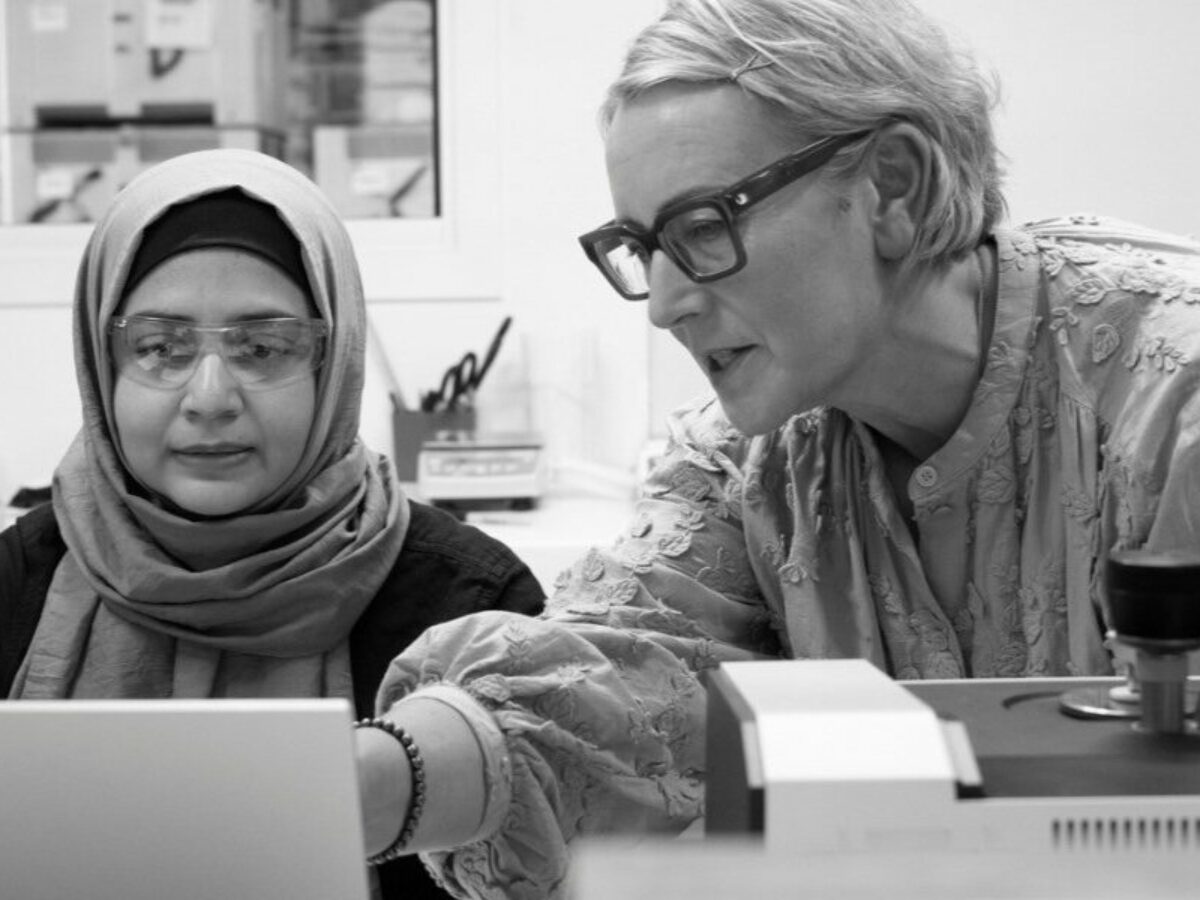
Textile recycler BlockTexx has entered into a partnership with INGWE — an Australian-based fashion accessory and trim developer, wholesaler and integrator — with the pair to showcase products at the Texworld Apparel Sourcing Paris show this week.
In a statement on Monday (Australian time), Blocktexx said it and IMGWE hoped to support a transition to “100 [per cent] recyclable fashion supply chains” via validated recycled materials.
The two companies will be showing buttons, coat hangers, zippers and fabrics made of BlockTexx’s PolyTexx material, which is derived from post-consumer recycled polyester.
“Using our PolyTexx [recycled PET], our manufacturing partners have developed a range of trims and components designed specifically for the textile industry,” said Tonia Bastian, BlockTexx Design Innovation manager.
“These trims… demonstrate true circular design in action.”
BlockTexx runs a recycling plant at Loganholme, south of Brisbane, which uses its recycling process to create PolyTexx and CellTexx (a microcrystalline cellulose) from end-of-life blended polyester-cotton products.
Among the company’s awards since its establishment in 2018 are the top prize at last year’s Banksia National Sustainability Awards and a Top 10 Gold Award at this title’s Australia’s 50 Most Innovative Manufacturers campaign in 2024.
Andrew Holland, CEO at INGWE, added that his company has 30 years’ expertise working with clothing manufacturers and manufacturing companies, and “It’s an exciting time to accelerate recycled materials into the fashion and textile supply chains[,] especially products made from recovered textiles.”
Picture: credit Linkedin/Blocktexx
Further reading
Opal and BlockTexx begin pilot program recycling paper mill workers’ uniforms
BlockTexx wins top prize at the 2025 Banksia Awards
Fashion’s second chance: Pact and BlockTexx team up to rescue clothes from landfill
BlockTexx closes $7 million Series B
Australia’s 50 Most Innovative Manufacturers for 2024 announced
Australian company offers the world a S.O.F.T. option for problem textiles

🌍 World
Worldwide Players
Except Australian players

📰 News
Latest Updates
Loading latest news…
More in this section

@aumanufacturing Sections
Analysis and Commentary Awards Casino reviews Defence Gambling Manufacturing News No deposit Bonus codes Online Casino Podcast Technology Videos