
Aumanufacturing


Government pledges $1.1 billion over ten years to grow low-carbon liquid fuel industry
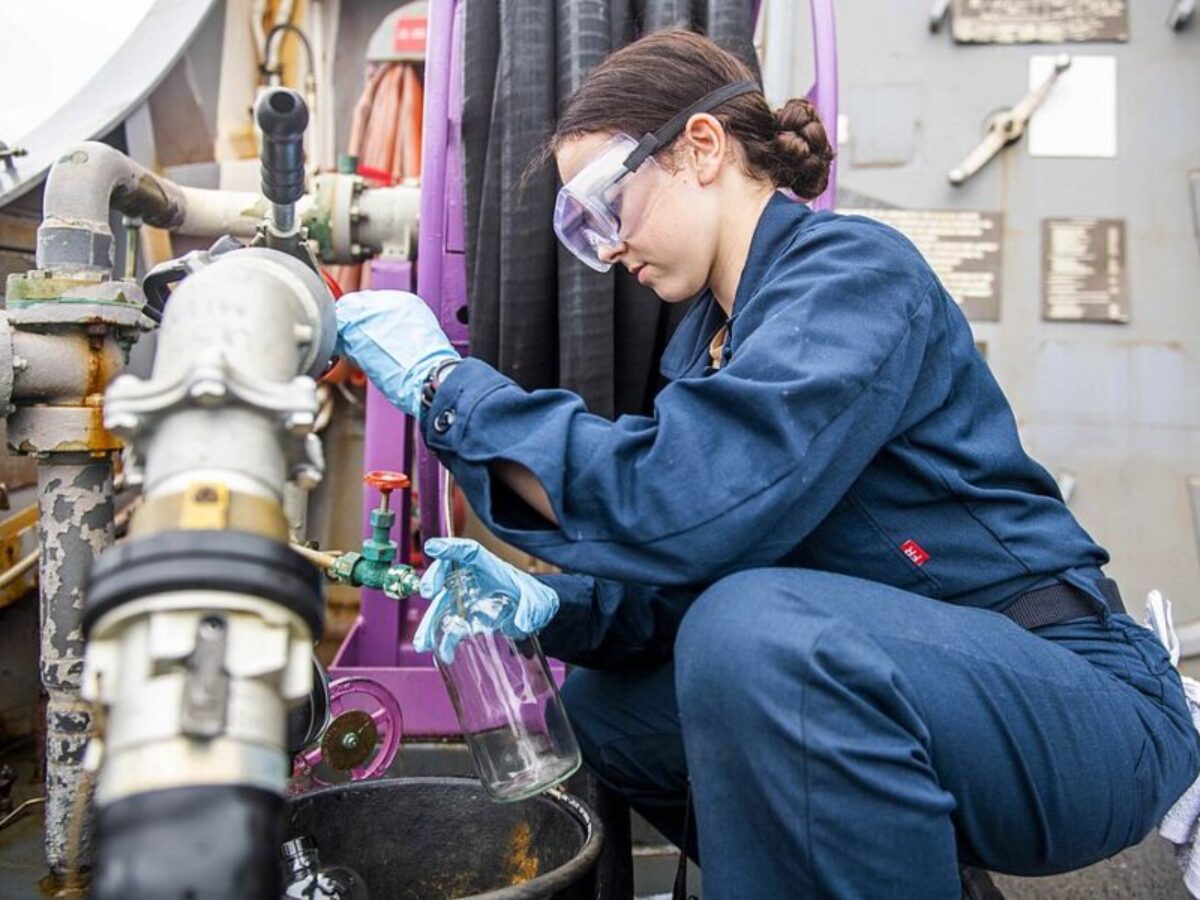
The federal government has announced funding budgeted at $1.1 billion “to help unlock the vast economic opportunities” offered by low-carbon liquid fuels, and claiming that the nation “has the ingredients needed to make cleaner liquid alternatives to fossil fuels” made from materials such as agricultural waste.
Citing Clean Energy Finance Corporation (CEFC) estimates, the government said that such a liquid fuel industry could add $36 billion to the nation’s economy by 2050, with untapped potential existing in growing local refining and value-adding.
Few details were given in the announcement on Wednesday on how the funding would be allocated. A planned ten-year Cleaner Fuels Program was mentioned, as was the promise of eligibility details to follow public consultation and design work happening this financial year.
Grants will be via “a competitive process” and a new production-linked incentive will build on $250 million in support previously allocated through the Sustainable Aviation Fuel Funding Initiative.
“Across the nation we have 2 billion litres worth of projects in the pipeline, many of which are ready to scale up production,” said energy minister Chris Bowen.
“A new thriving domestic industry with more jobs in our regions, from farmers growing the inputs to workers refining the fuels of the future is within our reach.
The announcement was made in the lead-up to release of the national 2035 greenhouse gas emissions reduction target and plans to decarbonise six nominated sectors. Liquid fuels account for approximately a third of Australia's emissions.
Industry lobby group the Low Carbon Fuels Alliance of Australia and New Zealand welcomed the news of support, citing the potential to “turbo-charge Australia’s emerging low-carbon liquid fuels sector” as well as boost fuel security and show leadership in the international clean energy transition.
“For industry, this is more than a funding announcement – it is a turning point. It gives companies the confidence to invest, innovate and build here in Australia, using our enormous feedstock potential to build a clean energy future,” said Shahana McKenzie, founder of LCFAANZ and CEO of Bioenergy Australia
“With our vast agricultural and industrial base, CSIRO reports that by 2025 Australia will have enough feedstock to replace 60 percent of local jet fuel with SAF, growing to 90 percent by 2050. Low carbon liquid fuels will create jobs in regional Australia, boost economic growth, strengthen energy security, and future-proof our tourism and transport industries.”
Picture: public domain
Further reading
Renewable fuels being overlooked in rush to electrify, says Bioenergy Australia report
Saving through smarter energy use: Why we’re starting to consider bioenergy
ARENA funds cleaner aviation fuels developments
ARENA backs sustainable aviation fuels with new fund

🌍 World
Worldwide Players
Except Australian players

📰 News
Latest Updates
Loading latest news…
More in this section

@aumanufacturing Sections
Analysis and Commentary Awards Casino reviews Defence Gambling Manufacturing News No deposit Bonus codes Online Casino Podcast Technology Videos