
Aumanufacturing


Deakin, Samsara Eco collaboration aims to up speed, scale and precision for plastic and textile recycling
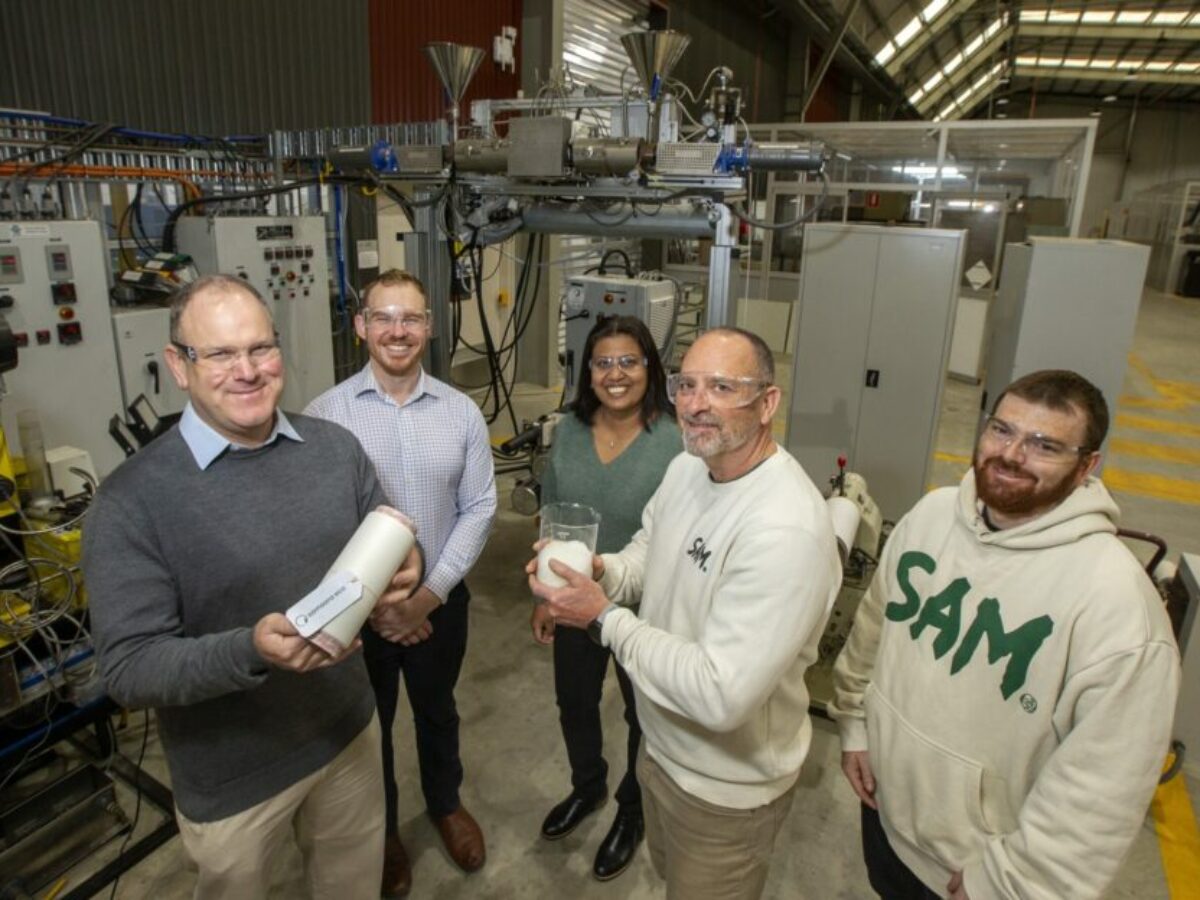
The Deakin University-led Recycling and Clean Energy Commercialisation Hub (REACH) and enzyme-based plastic recycler Samsara Eco plan to “fast-track world-first technology” for understanding and recycling with “specific additives like dyes, finishes and coatings” in textile waste.
According to a statement from REACH on Friday, the project will support Samsara’s efforts “to recycle more waste at speed, scale and with precision.”
Deakin Distinguished Professor Colin Barrow said, “Our research tackles a critical challenge in textile recycling – understanding how dyes, textile finishes, coatings and other chemical treatments affect the breakdown and rebuilding of synthetic fibres, including other types of polyester and nylon to repurpose into new products.
“We are exploring solutions by analysing these contaminants and determining their impact on textile recycling processes, to make it possible to produce high-performance recycled materials from all types of waste feedstock.”
Samsara uses what it calls an “enzymatic depolymersiation” approach to recycling, with synthetic microbes converting petrochemical-based materials back into monomers which can then be reused. It was officially launched in 2021, based on research from Australian National University.
The work with REACH will make use of Deakin’s “advanced chemical analysis and polymer processing expertise”, according to the statement. A budget or timeline for the project was not shared.
“We are laser-focused on creating true circularity and that means finding a solve for all plastics,” Samsara Eco’s Founder and CEO Paul Riley added.
“This research supports our efforts to make this a reality. We’ve already come a long way with our enzymatic recycling technology, which can infinitely recycle PET and nylon 6,6 plastics used for clothing and other textiles, including mixed fibres and plastics. Our research collaboration with Deakin will support our efforts to recycle more waste at speed, scale and with precision.”
Samsara is scheduled to open its first commercial facility in Jerrabomberra, south-eastern NSW, later this year.
The company announced a ten-year offtake agreement in June that “could see” Samsara’s material support approximately 20 per cent of lululemon’s overall fibres portfolio,
REACH is supported by a $50 million grant from the federal government’s Trailblazer Universities Program, officially launched in December 2023, and runs for four years.
Picture: supplied
Further reading
Samsara Eco, lululemon announce ten-year offtake agreement on recycled nylon, polyester
Samsara Eco develops enzymes to recycle nylon
lululemon, Samsara say new recycled polyester jacket is a world first
Samsara Eco raises $100m to recycle plastics
Samsara appoints scientific advisory board
Xefco, Deakin reach for water-less garment dyeing
Partner with Deakin to turn your sustainable manufacturing ideas into a commercial reality

🌍 World
Worldwide Players
Except Australian players

📰 News
Latest Updates
Loading latest news…
More in this section




@aumanufacturing Sections
Analysis and Commentary Awards Casino reviews Defence Gambling Manufacturing News No deposit Bonus codes Online Casino Podcast Technology Videos