
Aumanufacturing

Federal government awards Iondrive $3.9 million grant to help pilot plant build
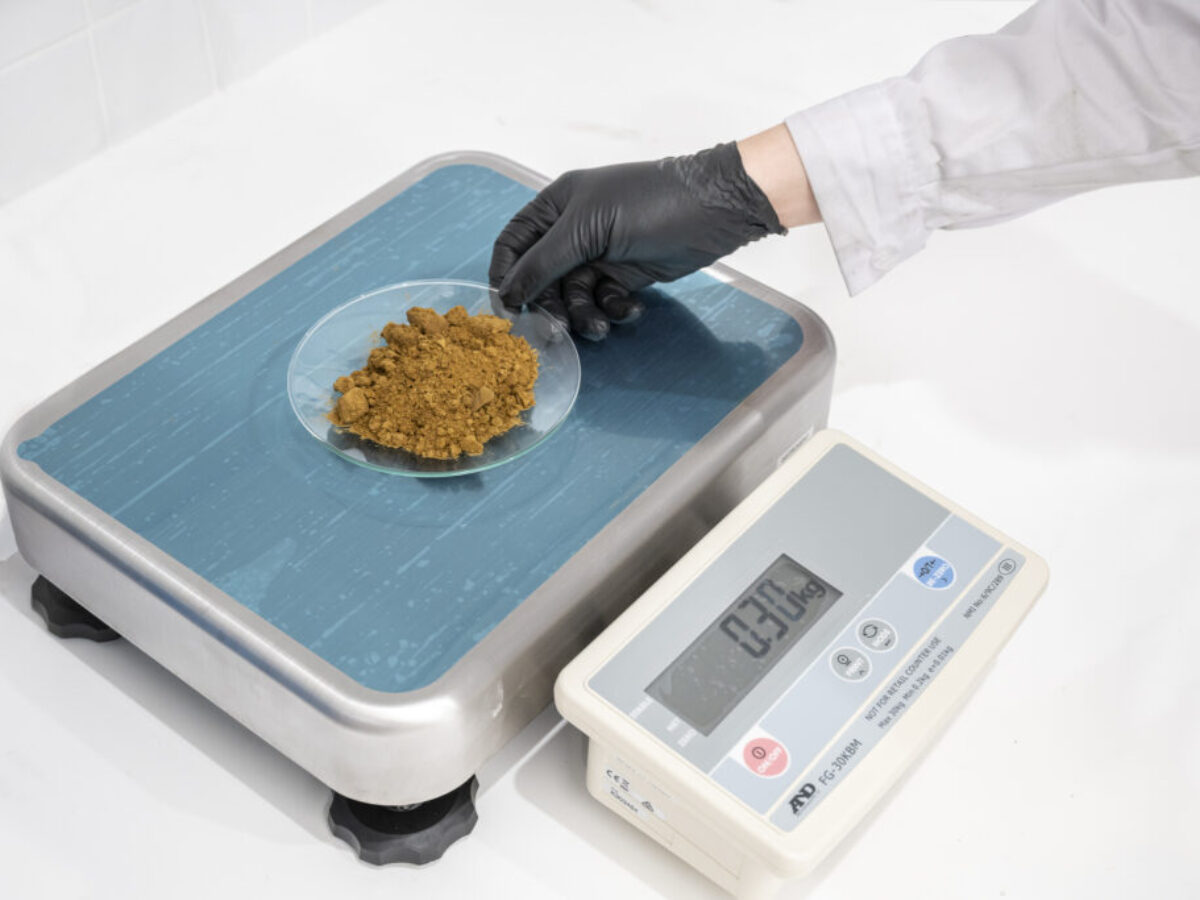
Iondrive has been awarded a grant of up to $3.9 million through the federal government’s Industry Growth Program, which will support battery metal extraction and potentially scale up “urban mining” work under development using the company’s solvent-based process.
According to an ASX statement from Iondrive on Tuesday, the grant covers half of eligible pilot plant construction and operational costs, with the plant to initially focus on salvaging critical minerals from lithium-ion battery black mass. (Black mass is a shiny, metallic pile of shredded, end-of-life battery cathodes and anodes.)
Iondrive added that the new project would “also potentially enable rapid scale-up of ongoing work in broader urban mining applications,” including recycling e-waste and other feedstocks “traditionally processed via smelting or acid leaching.”
Front-End Engineering Design has been completed, and Iondrive’s board has now approved construction of a “large-scale continuous integrated” pilot plant, with an estimated $4.8 million construction cost and commissioning expected to be complete “in early 2026.”
“This grant is a strong endorsement of our technology and the roadmap we’ve developed to bring it to market,” said CEO Dr Ebbe Dommisse.
“With applicability across battery waste, eWaste and mining residues, we believe our DES platform can play a meaningful role in sustainable resource recovery and decarbonisation.”
Iondrive is commercialising “deep eutectic solvent” research from the University of Adelaide. The initial focus of the three-stage DES process has been on recovering nickel, manganese, cobalt, and lithium from black mass.
In June it announced a Green Industries SA grant of $100,000 to pursue urban mining with the university, targeting “high-value materials such as copper, gold, silver, palladium and rare earth elements from printed circuit boards (PCBs).”
The company also began a project with CSIRO on July 1 to convert reclaimed graphite from spent lithium-ion batteries into anode-grade material, meaning recovering graphite (approximately half the weight of black mass) would become more commercially interesting.
The lower value of graphite means it often gets overlooked in battery recycling.
Picture: credit Iondrive
Further reading
Iondrive chases 25 per cent revenue boost via project to upgrade graphite from end-of-life batteries
Iondrive claims robustness improvement in battery recycling process
Iondrive raises $6 million to progress DES battery recycling tech
Spotlight on Scaling Up event wrap-up
The startup plucking critical minerals from battery waste using chicken feed
Manufacturing news briefs — stories you might have missed

🌍 World
Worldwide Players
Except Australian players

📰 News
Latest Updates
Loading latest news…
More in this section



@aumanufacturing Sections
Analysis and Commentary Awards Casino reviews Defence Gambling Manufacturing News No deposit Bonus codes Online Casino Podcast Technology Videos