
Aumanufacturing


Food scientists create “super yoghurt” formula with sweet lupins
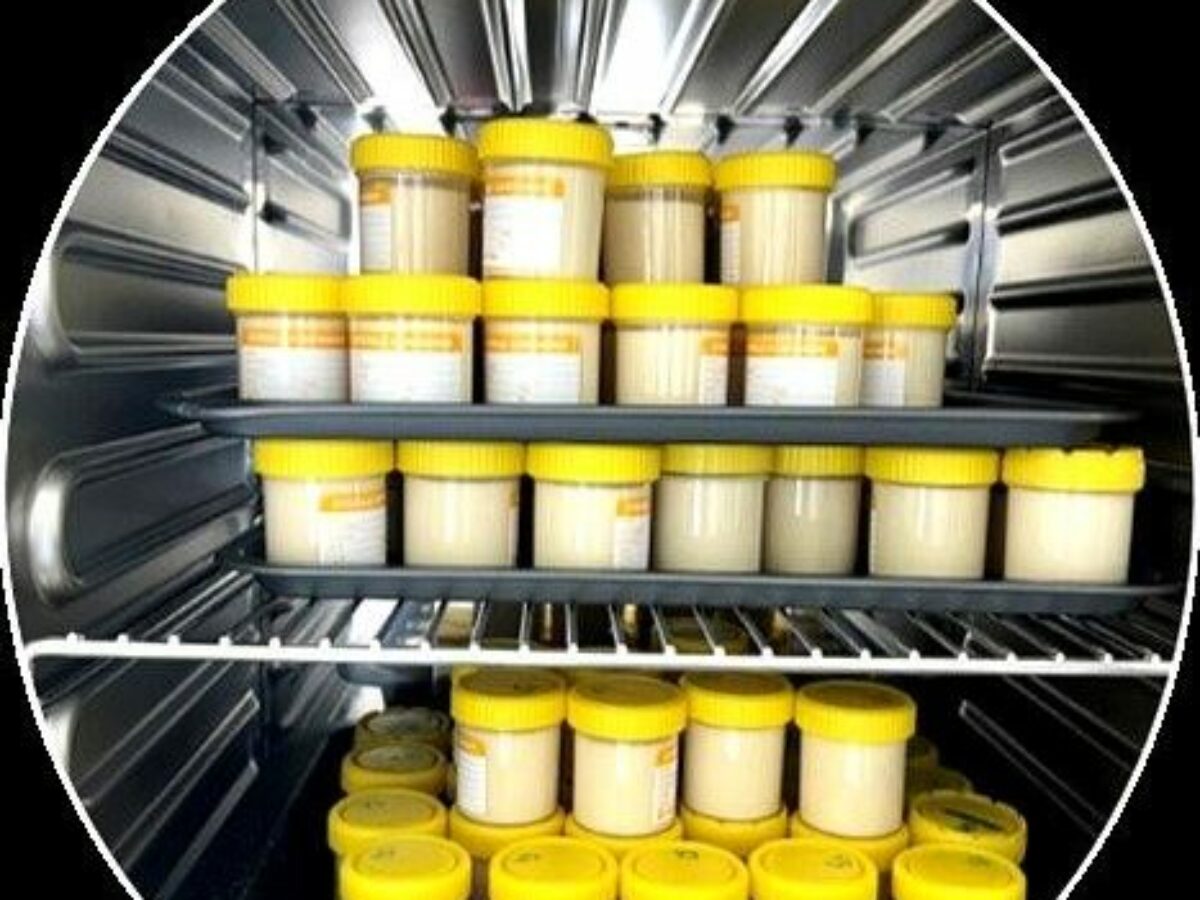
Monash University food engineers have developed a “super yoghurt” formula using lupins, which the university says represents a “major advancement in the plant-based food sector” due to its fast fermentation time, texture, and nutritional benefits.
According to a statement from Monash on Wednesday, researchers at the BioPRIA institute led a study investigating how different probiotic mixtures influenced yoghurt quality over time.
The work led by Associate Professor Sushil Dhital and PhD candidate Damodar Dhakal was published in Journal of Food Hydrocolloids, and identified sweet lupin-oat milk yoghurt fermented with a combination of Lactobacillus plantarum and Bifidobacterium probiotics as the standout formula.
“Our analyses shows oat-lupin yoghurt is equally as natural and nutritious as dairy yoghurt. It’s also lower in saturated fats compared to most coconut-based yoghurts, and potent with other micro-macro nutrients and beneficial bacteria that make it an enticing alternative for the yoghurt industry,” Dhital said.
According to the paper, the formulation “exhibited rapid metabolic activity, leading to a notable reduction in fermentation time compared to other probiotic strains”.
Dhital said the lupins also provided high levels of protein and fibre, while the probiotic combination used gave a thick, creamy palate, along with an “impressive nutritional profile and texture” to the yoghurt.
Lupins are the most popular type of pulse grown in Australia, the most popular type of which is sweet lupin.
“Manufacturers interested in developing the lupin-oat yoghurt into a commercial product are free to utilise our research and we are happy to offer technical support to industry” added Dhakal.
The paper can be accessed here.
Picture: supplied
Further reading
Monde Nissin Australia the first customer for Wide Open Agriculture’s lupin-based protein
WOA to select site for Buntine protein manufacture
Collapse of plant protein manufacturer a concern – contribution from Food Frontier

🌍 World
Worldwide Players
Except Australian players

📰 News
Latest Updates
Loading latest news…
More in this section

@aumanufacturing Sections
Analysis and Commentary Awards Casino reviews Defence Gambling Manufacturing News No deposit Bonus codes Online Casino Podcast Technology Videos