
Aumanufacturing


Future relies on value adding, ingenuity – Husic
By Peter Roberts
The Minister for Industry and Science Ed Husic has made an impassioned commitment to words all too often forgotten in recent years – value adding and fostering Australian ingenuity.
In a speech to the Australian Space Forum Husic said a Future Made in Australia would be defined by resilience, prosperity, and unwavering commitment to Australian ingenuity.
Husic said: ‘Our government’s vision is clear – to foster an environment where bold ideas flourish, and innovation thrives.
“Australia's future success hinges on our ability to harness our unique know-how and add value like never before.
“We're not just envisioning the industries of tomorrow; we're laying the foundations today and replacing outdated structures with robust linkages that support our national priorities.”
Husic is a fairly junior minister in the Albanese ministry compared to the really effective industry ministers of the past such as Senator john Button, who was also the leader of the government in the Senate.
His ideas have often been eclipsed by a treasurer who still persists in supporting the outdated ideas of comparative advantage of the Productivity Commission.
Also the government has been preoccupied with other areas such as the Voice to Parliament and the energy transition and advancing defence industry preparedness.
The shame is that all too often industry outcomes have not even been mentioned in announcements by defence and climate change ministers. As for the resources minister, the words value adding rarely pass her lips.
However in his speech Husic showed that the fight is still being taken up in the government by those more in touch with the international mainstream who would build competitiveness on the basis of those comparative advantages, rather than simply resting on it.
(I should say assistant manufacturing minister Tim Ayres, defence industry minister Pat Conroy and assistant defence minister Matt Thistlethwaite are also positive advocates.)
Husic said: “Australia’s competitiveness will be shaped by how effectively we adopt critical technologies – quantum, AI, robotics.
“This crowd doesn’t need me to tell you if we don’t adapt the consequences are bleak. We just get left behind. It’s absolutely that simple.”
Husic said he had focused on setting the direction in areas that have for too long been ignored.
“Investing in technology. Investing in people. Investing in skills.
“These aren’t just academic exercises. They’ll strengthen our economy and promote economic complexity.
“In an increasingly competitive world, it’s the countries that embrace critical technologies that are able to not just maintain the jobs and industries they have already but are able to create more.”
Husic said a Future Made in Australia would not be realised by a few of the ‘same-old industry sectors' doing the heavy lifting.
“Likewise, our $15 billion National Reconstruction Fund is focussed on advancing Australia’s industrial capability as a whole.
“The NRF will make transformative investments, that uplift not just individual companies but have collective impact.
“It is central to realising the ambitions of a Future Made in Australia.”
Husic paid tribute to the achievements of the space sector in driving innovation.
He said: “A future that embraces innovation to unlock a much-needed transformation as a example of the future he envisages.
“A future that is achieved not by bolstering individual sectors but by lifting the critical technological capabilities that propel industry forward and empowers generations to come.”
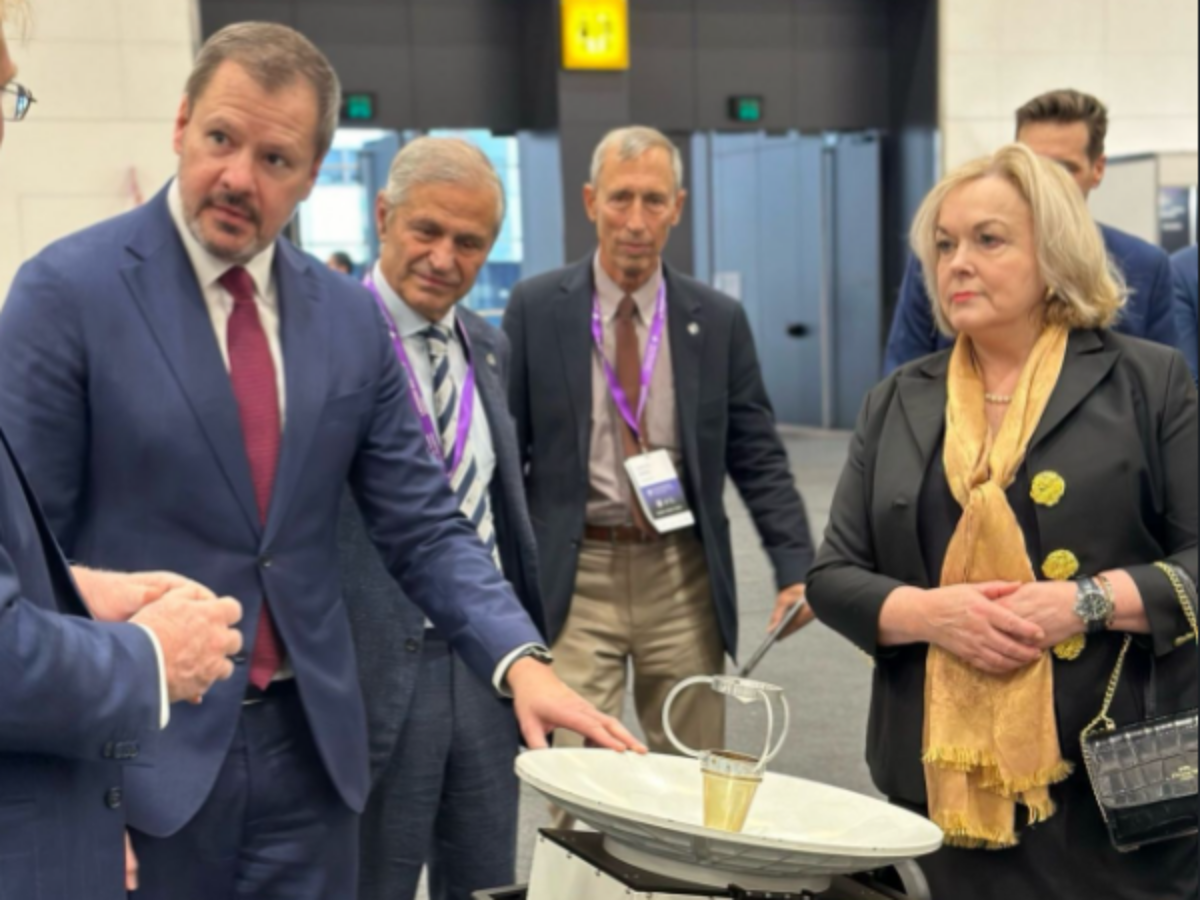
Picture: Ed Husic in Adelaide where he delivered his speech

🌍 World
Worldwide Players
Except Australian players

📰 News
Latest Updates
Loading latest news…
More in this section

@aumanufacturing Sections
Analysis and Commentary Awards Casino reviews Defence Gambling Manufacturing News No deposit Bonus codes Online Casino Podcast Technology Videos