
RMIT’s tiny titanium spike breakthrough suggests antimicrobial surfaces “may need to be rethought”

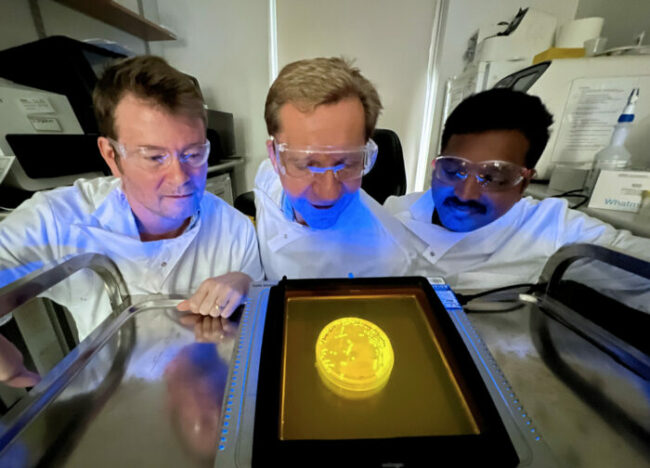
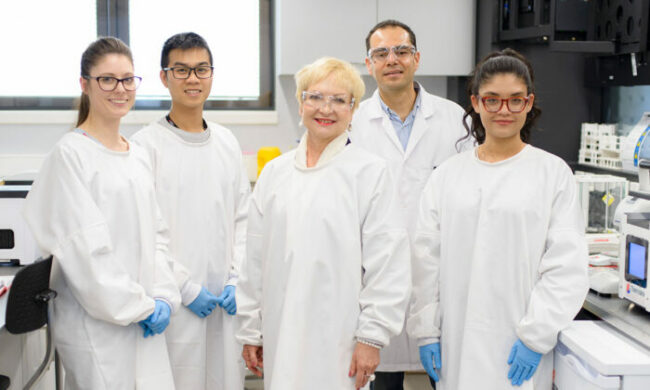
An RMIT University team has shown promising results from insect-inspired “microscale spikes” for titanium implants and other surfaces, demonstrating drug-free anti-bacterial and anti-fungal properties. According to a statement from the university, the features on the “micro-pillared titanium surface pattern” were about the height of a bacteria cell and designed to address drug-resistant “superbugs” which are…
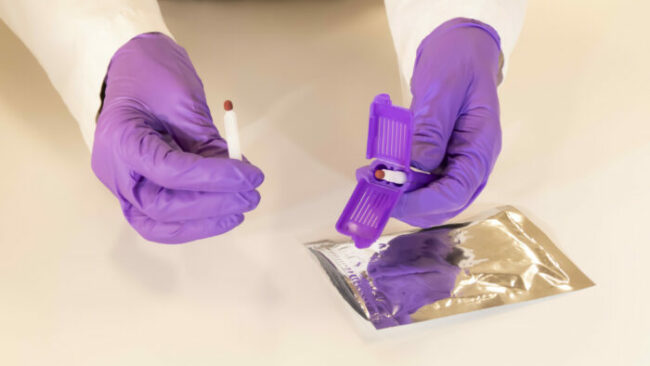
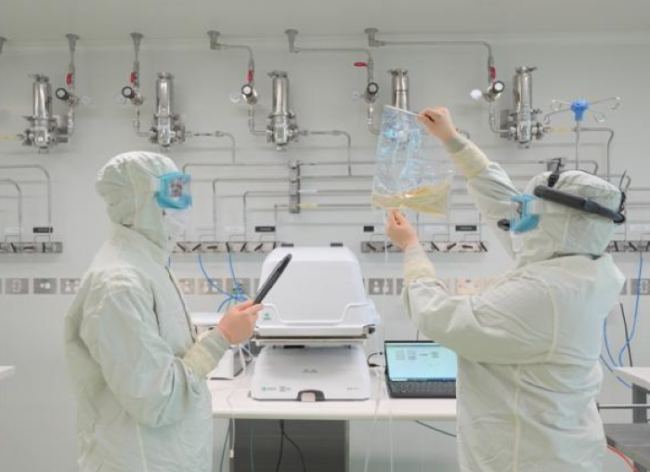
Trajan donates 200 blood microsampling devices for neonatal research

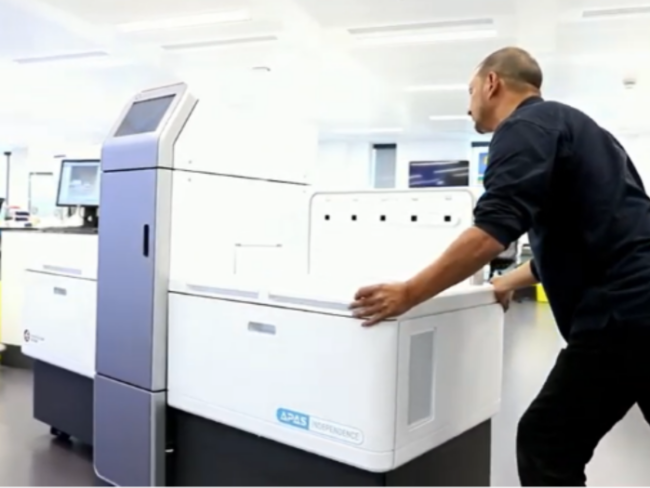
Analytical and life sciences products manufacturer Trajan Scientific and Medical has announced that the pediatric centre at Budapest, Hungary’s Semmelweis University will use the company’s blood microsampling devices in a neonate research study.  According to a statement on Thursday, its Neoteryx Mitra microsampling device enables collection of blood samples less than one-tenth of the sample…

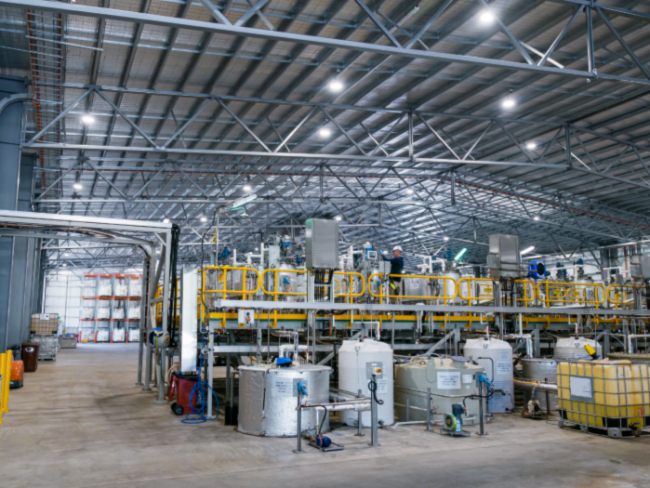
Cell Therapies new facilities fight cancer on a grand scale

Biomedical manufacturer Cell Therapies has announced the opening of new cell and gene therapy GMP (good manufacturing practice) manufacturing facilities to meet future patient demand at Victoria’s Peter MacCallum Cancer Centre. The facility is Australia’s only biomedical manufacturing facility where CAR T-cells and other ‘living’ cancer therapies can be made at a commercial scale. In…

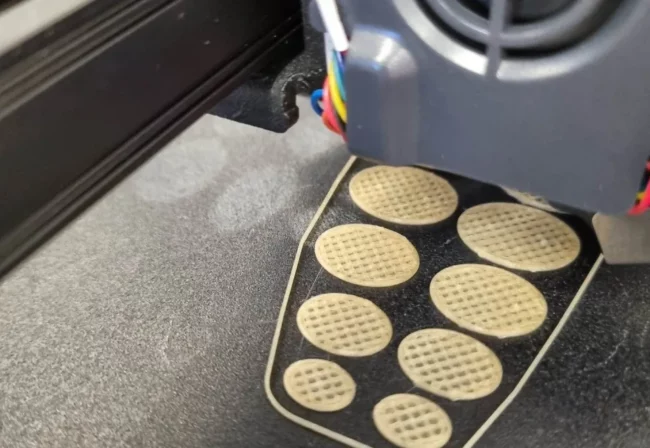
We are closer than ever to being able to 3D print medicines. Here’s why that’s important

By Amirali Popat, The University of Queensland; Jared Miles, The University of Queensland, and Liam Krueger, The University of Queensland 3D-printed medicine could be the future of personalised healthcare, with research now suggesting printed tablets have reached a sufficient quality to match the standards set for conventionally manufactured tablets. Our new study, published in the…

Scientists build 3D bio-engineered cornea

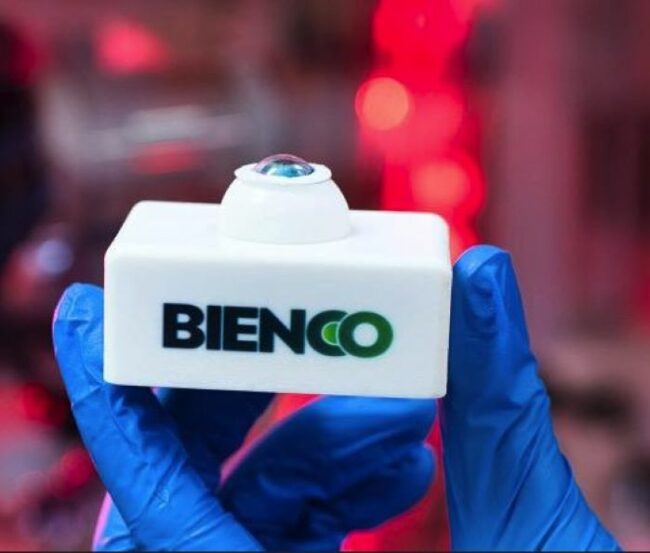
University scientists have succeeded in producing a prototype 3D bio-engineered cornea (pictured) as a potential surgical replacement for patients suffering diminished vision and even blindness. A research team led by the University of Sydney’s Professor Gerard Sutton, with researchers from the University of Wollongong (UOW) has produced a prototype with the structural strength that has…