
Aumanufacturing


Tomago Aluminium in consultation with workers as smelter’s future remains in doubt
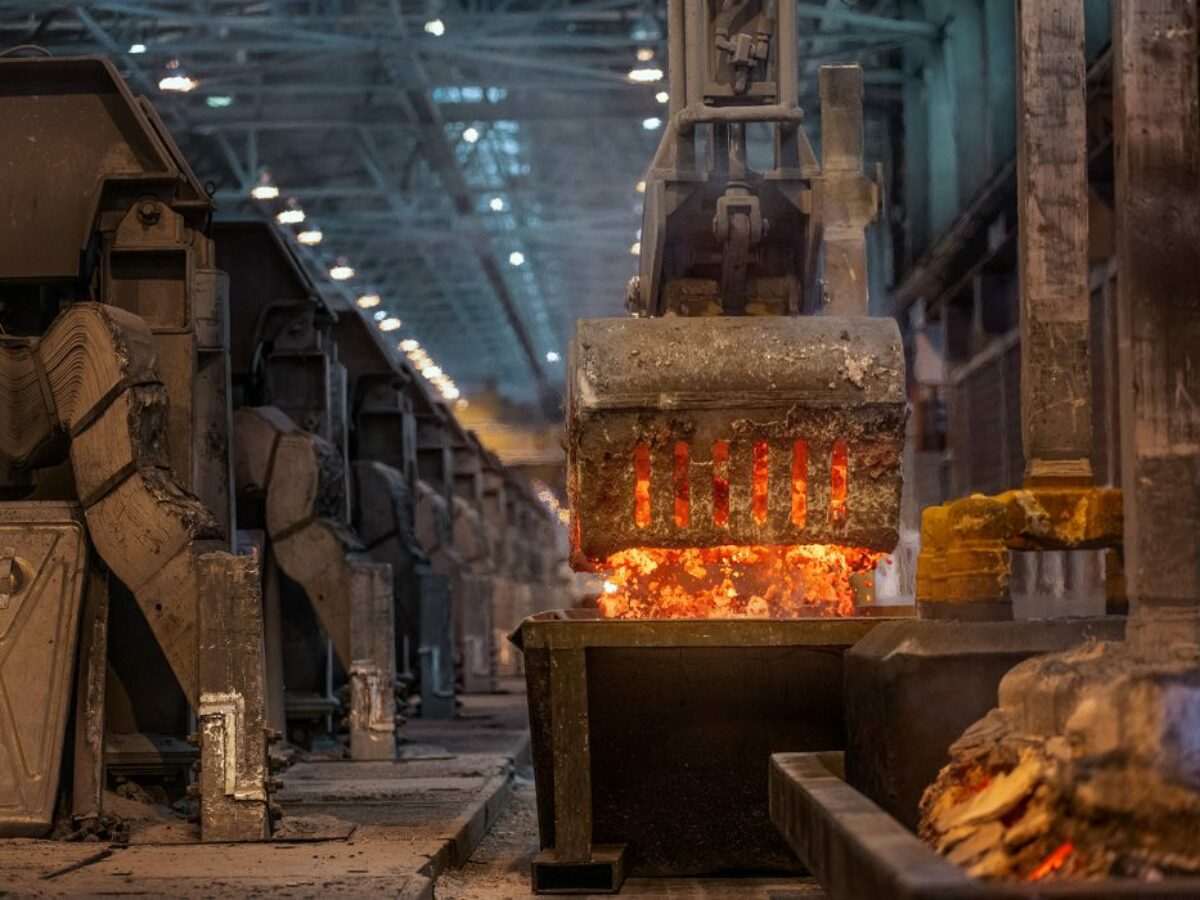
The owners of Australia’s biggest aluminium smelter are in talks with workers at Tomago, with the company “yet to identify a pathway” to commercially sustainable operations beyond 2028.
Tomago Aluminium’s current electricity contract with AGL Energy expires in December 2028. The site employs 1,000, produces up to 590,000 tonnes of aluminium annually, and uses about a tenth of NSW’s electricity.
The company — majority-owned by Rio Tinto — has turned down offers of government assistance to keep the smelter running.
The Australian Financial Review reported on Monday that third-biggest shareholder Norsk Hydro had written off the value of the smelter to zero, and that securing a supply of renewable energy had proven difficult for owners.
Tomago Aluminium chief executive Jérôme Dozol said in a statement on Tuesday: “Unfortunately, all market proposals received so far show future energy prices are not commercially viable, and there is significant uncertainty about when renewable projects will be available at the scale we need.
“While no decision has been made, this is a difficult point to reach. Our focus remains on operating safely and giving our people certainty as soon as possible.”
Tomago has been running since 1983 and is a joint venture between Rio (51.55 per cent ownership), alongside CSR’s subsidiary Gove Aluminium Finance (36.05 per cent) and Norsk (12.4 per cent.)
It is one of four remaining smelters in Australia, alongside Boyne in Queensland, Portland in Victoria and Bell Bay in Tasmania.
The federal government has been in talks with Tomago’s operators for months, as well as other metals producers fighting for viability due to international supply and local energy costs.
The AFR cites anonymous sources as saying the federal and NSW governments “made a substantial joint offer of financial support for the facility in recent weeks, but it was turned down by Tomago”.
In January the federal government announced $2 billion in green aluminium production credits in January, aimed at getting companies to convert the nation’s aluminium smelters to renewable energy.
The federal opposition blamed the government's energy policies for difficulties at Tomago and elsewhere.
“The government's renewable energy policies have driven up electricity prices, making it increasingly difficult for energy-intensive industries like aluminium smelting to remain viable” said LNP MP Andrew Willcox on Monday.
Further reading
Capral and Tomago Aluminium agreement to local aluminium remelting
Tomago to get lithium ion battery factory
Now energy prices threaten Tomago smelter
Making aluminium uses 10% of Australia’s electricity. Will tax incentives help smelters go green?
AWU calls for smelter strategy amid growing crises
Australian government pledges $2 billion assistance to aluminium industry
Portland Aluminium Smelter gets nine-year electricity deal with AGL

🌍 World
Worldwide Players
Except Australian players

📰 News
Latest Updates
Loading latest news…
More in this section

@aumanufacturing Sections
Analysis and Commentary Awards Casino reviews Defence Gambling Manufacturing News No deposit Bonus codes Online Casino Podcast Technology Videos