
Aumanufacturing


“Expansibility, flexibility, and distributability”: Experts identify why some companies thrive in crises
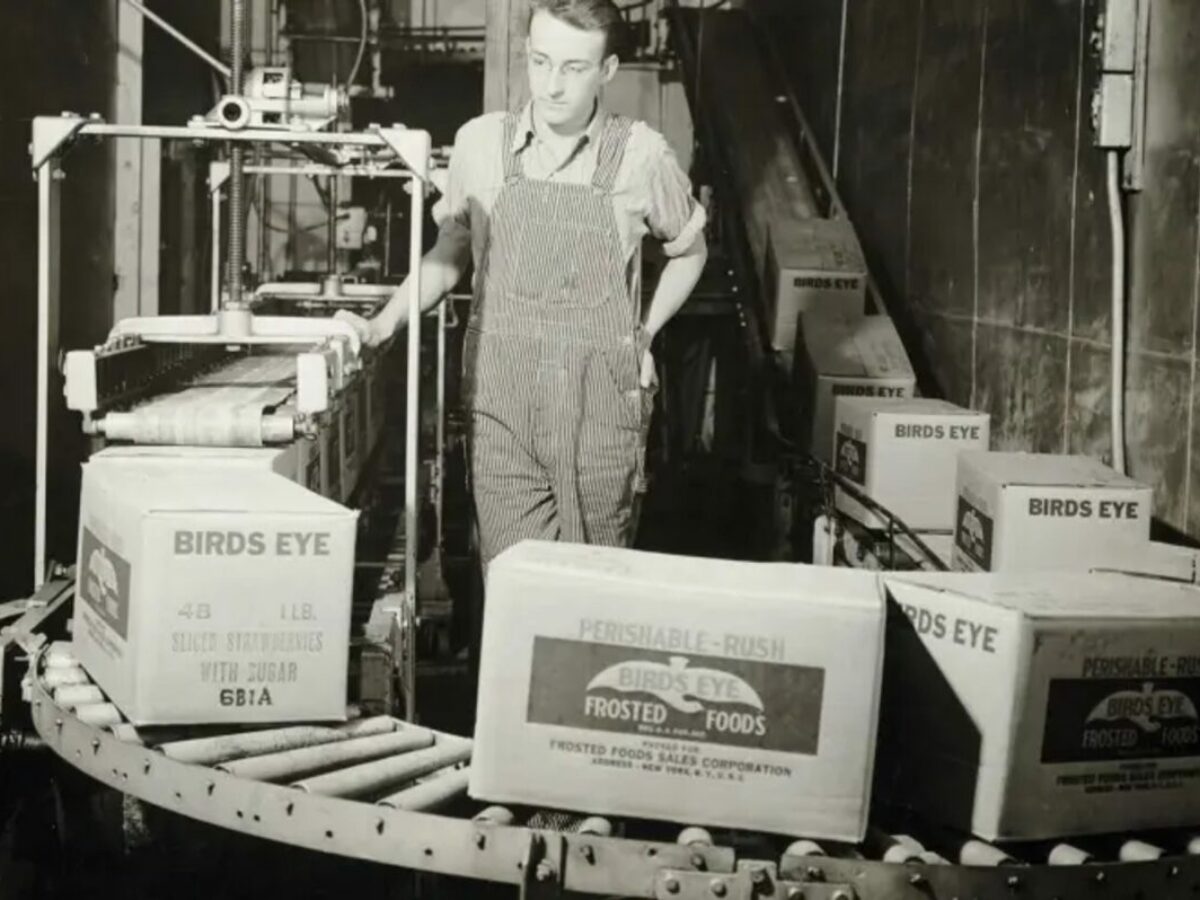
Researchers have boiled down the qualities that have helped companies thrive during crises, such as online platforms Uber and Alibaba during the Covid-19 pandemic, or Birdseye Frozen Foods during the Second World War.
Crises are times “when normal societal functions often deteriorate,” explained Associate Professor Frederik von Briel in a statement from University of Queensland on Tuesday.
For most, this would mean “financial struggles with higher costs and falling demand”, but certain companies – called “extreme growth outliers” – experienced improved “market demand, supply conditions, public attention and acceptance” during bad times.
“Crises that begin suddenly, have widespread impacts and last for a considerable period of time create the perfect storm for such extraordinary growth opportunities,” said von Briel.
The team — which also included researchers from Jönköping International Business School, University of Hamburg and QUT — published its findings in the Academy of Management Review. It found that companies “must be internally dispositioned to leverage resource expansibility, flexibility, and distributability” to capitalise.
Flexibility meant companies “found substitutes for resources or assets they could no longer access, or alternately repurposed and mobilised resources that were now cheaper or more available.” Uber reallocating its workforce resources from ride-hailing business to the Uber Eats arm during the pandemic was given as an example.
Expansibility meant growth outliers are “able to replicate what a business does at low cost and with minimal effort”, explained von Briel, citing Alibaba, which “could directly link procurement teams from abroad with Chinese goods manufacturers”, also during Covid.
Distributability meant companies could “easily reach customers with their offerings and/or absorb new supply regardless of where they were,” added von Briel.
Birdseye, for example, used “its patented quick-freezing process, low-temperature display units and insulated railroad cars” during WWII to meet high demand for easy-to-prepare meals.
Picture: credit 100YearsAgoNews/X

🌍 World
Worldwide Players
Except Australian players

📰 News
Latest Updates
Loading latest news…
More in this section

@aumanufacturing Sections
Analysis and Commentary Awards Casino reviews Defence Gambling Manufacturing News No deposit Bonus codes Online Casino Podcast Technology Videos