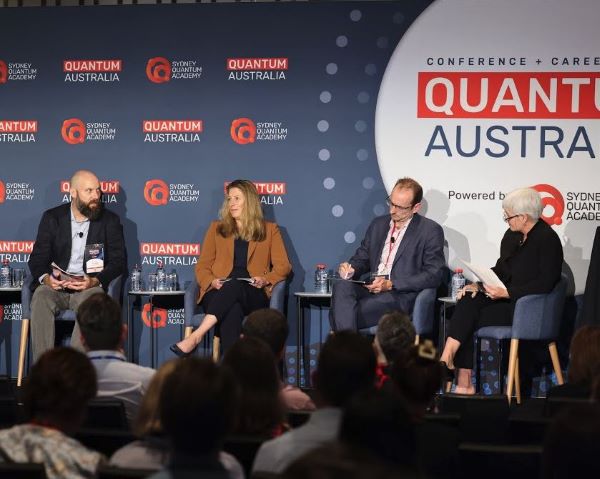

Sydney haem team makes nanowires out of modified protein filaments, suggesting possibility of ‘green electronics’

University of NSW Sydney researchers have assembled “protein nanowires” created by engineered bacteria and found that these were able to conduct electricity over short distances and even create it out of thin air. According to a statement from UNSW on Monday, the team used protein filaments created by E. coli (a bacteria that can cause…

Towards 3% R&D – Australia’s climate opportunity by Dr Katherine Woodthorpe

Today in our editorial series – Towards 3% R&D – Turbocharging Australia’s Innovation Effort – Katherine Woodthorpe looks at the potential of innovation in low emission products for export. She argues investing in innovation and STEM skills has economic returns. In the fight against climate change, Australia and the world are at a crossroads. The…

Best of the week — the five most popular stories among readers, April 22 – 26, 2024

What were the five biggest stories of the week? Here’s what visitors to @AuManufacturing were reading. 5) Boeing and Wagner join to manufacture and utilise sustainable aviation fuels Australian infrastructure, property development and investment management company Wagner has joined with Boeing to grow the sustainable aviation fuel (SAF) industry to help meet Australia’s airline demand…

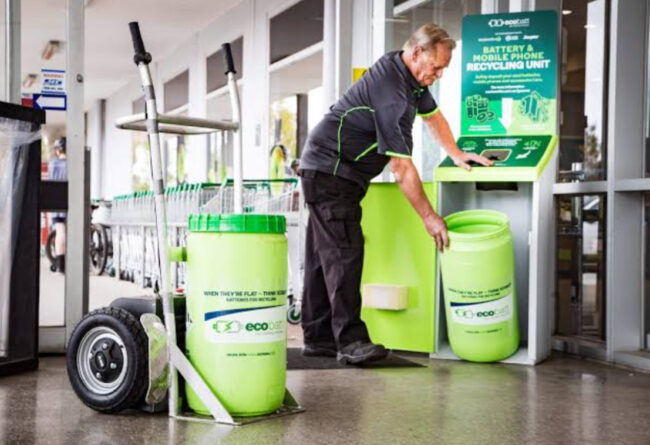
Ecobatt, Enviropacific awarded $3.5 million for battery recycling projects

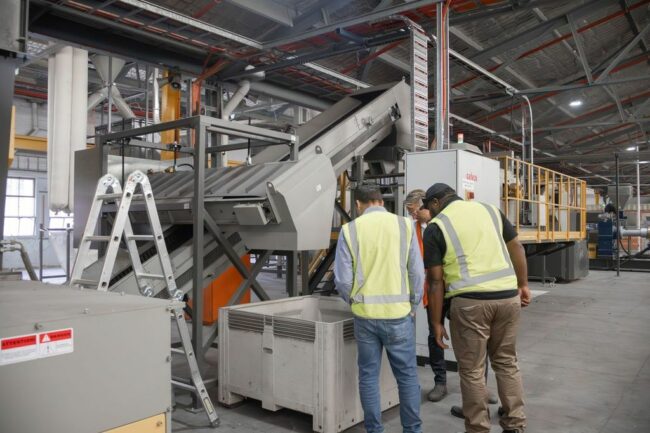
The Victorian Government has announced two grants totalling $3.5 million awarded to assist in establishing lithium-ion processing and recycling facilities, which it says will increase the state’s capacity to process batteries by 19,500 tonnes annually. Ecobatt was awarded $2.5 million and Enviropacific Services $1 million as part of the Circular Economy Infrastructure Fund Hazardous Waste…

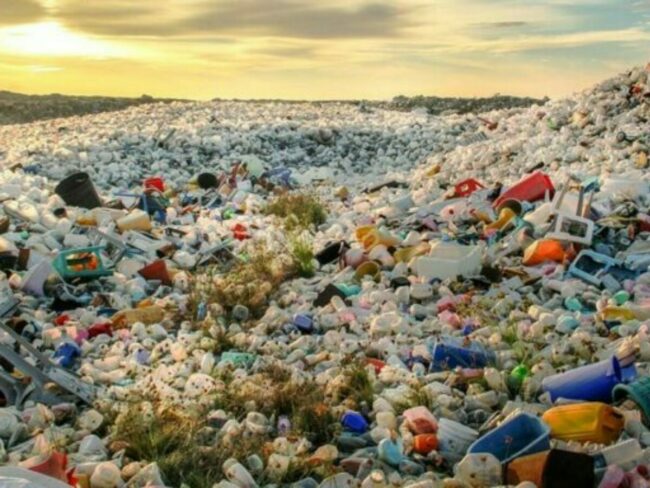
If plastic manufacturing goes up 10%, plastic pollution goes up 10% – and we’re set for a huge surge in production

By Kathryn Willis, CSIRO; Britta Denise Hardesty, CSIRO; Katie Conlon, Ph.D., Portland State University, and Win Cowger, University of California, Riverside In the two decades to 2019, global plastic production doubled. By 2040, plastic manufacturing and processing could consume as much as 20% of global oil production and use up 15% of the annual carbon…