
Aumanufacturing


RMIT University, Bristile Roofing make more sustainable tiles using recycled glass, coal ash
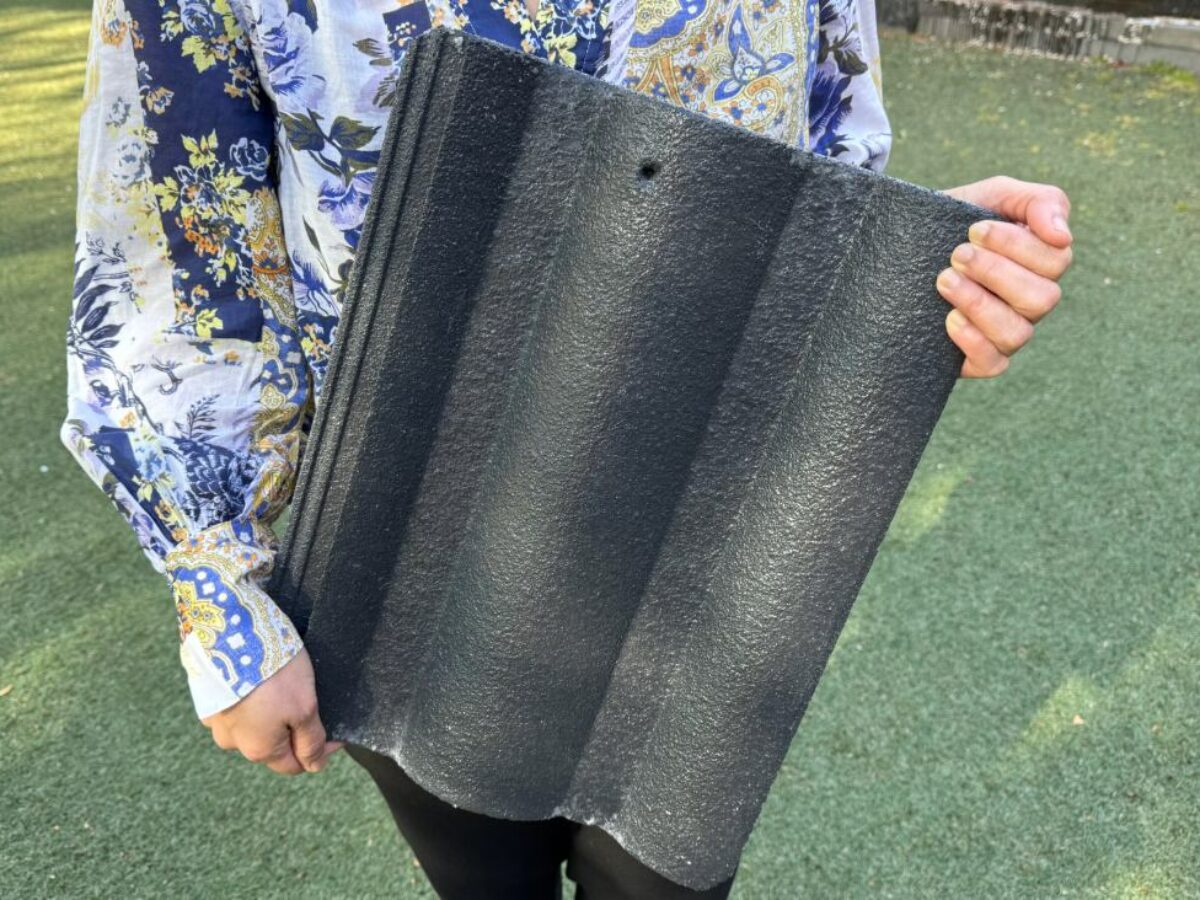
Harvested pond ash and unwashed recycled glass sand have replaced 20 per cent of virgin materials in new roof tiles being developed by RMIT University and Bristile Roofing, enabling a 13 per cent reduction in greenhouse gas emissions versus traditional concrete tiles.
According to a statement from RMIT on Monday, hundreds of the eco-friendly tiles have been made at Bristile’s Melbourne factory. The 13 per cent reduction in carbon dioxide is based on a lifecycle analysis “covering the entire process from raw material production through to end-of-life landfilling”.
It adds that the product reuses materials ordinarily sent to landfill and is a “durable, fire-resistant roofing option that meets Australian Standards”.
The main environmental benefits resulted from the avoidance of energy-intensive processing and replacement of virgin materials, said RMIT’s project lead, Dr Chamila Gunasekara.
“By replacing 10 [per cent] of cement with harvested pond ash and 10 [per cent] of river sand with unwashed glass waste – a total of 20 [per cent] virgin material replacement – we not only reduce waste going to landfill but also produce an improved concrete product with enhanced fire resistance, a valuable feature for roofing in Australia’s climate,” said Gunasekara.
Over half of the 1.3 million tonnes of glass waste used in Australia each year becomes landfill.
About 12 million tonnes of coal ash, a byproduct of coal-fired electricity generation, is created annually in Australia, with over 400 million tonnes of the substance stored in large settling ponds.
Dr Yulin Patrisia (pictured with a tile), an RMIT Principal Research Fellow, said of coal ash: “Despite its lower early reactivity, it helps enhance concrete performance over time. Our tests showed better dimensional stability, reduced shrinkage cracking, and continued strength gain – making it ideal for durable, non-structural applications.”
The team is also developing a sustainable brick using 15 per cent harvested pond ash and 20 per cent unwashed glass sand, which is being progressed into manufacturing trials in collaboration with an unnamed industry partner.
Picture: supplied
Further reading
Illite fantastic: research points the way for cheap, low-emission cement substitute
RMIT research doubles fly ash content in low-carbon concrete
Recycled carpet in concrete boosts strength, reduces cracking

🌍 World
Worldwide Players
Except Australian players

📰 News
Latest Updates
Loading latest news…
More in this section




@aumanufacturing Sections
Analysis and Commentary Awards Casino reviews Defence Gambling Manufacturing News No deposit Bonus codes Online Casino Podcast Technology Videos