


Help wanted: salesperson sought for @AuManufacturing
@AuManufacturing is seeking a sales professional to help build on the success of our website and weekly newsletter.
@AuManufacturing is seeking a sales professional to help build on the success of our website and weekly newsletter.

Electric cars sometimes get described as “batteries on wheels”. A charged 60 kW vehicle could power a home, including its air-conditioning, for four or five days. The possibilities of “bidirectional charging” through vehicles are being taken seriously by Japanese automakers, and widespread adoption of EVs could eventually – and drastically – change the ways people use and buy electricity.
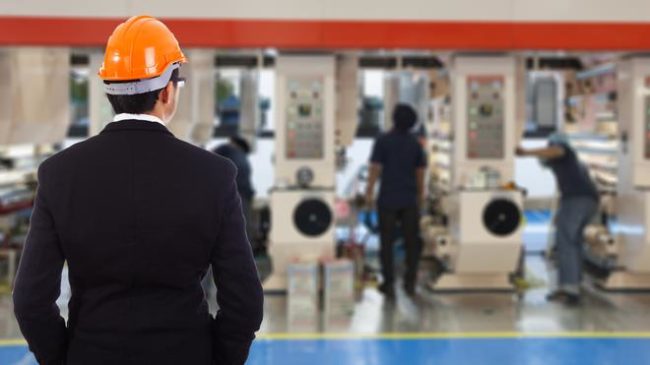
Professor Danny Samson of the University of Melbourne is a founding member of the Global Manufacturing Research Group, a group of 20 professors from around the world who conduct survey research globally of manufacturing plant practices (quality, supply chain, improvement and innovation etc) and outcomes.

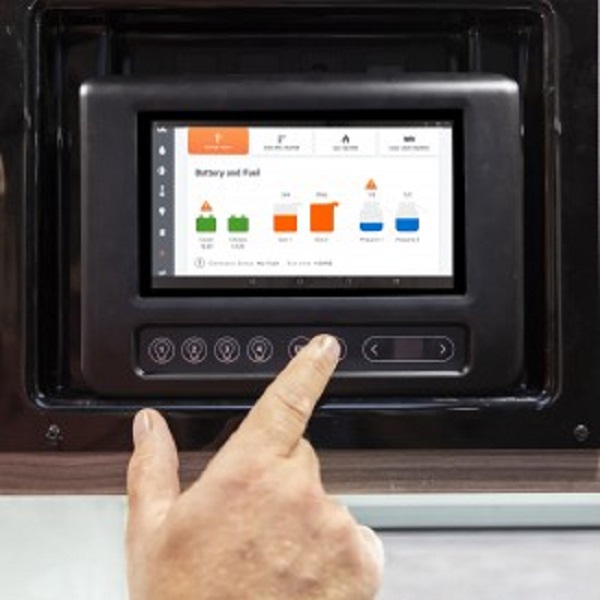
Companies making things as varied as caravan electronics and reusable cups have recently told us about why bringing manufacturing home is an advantage.

The number of situations where Internet of Things solutions can do something useful is growing fast, as is the market for such solutions.
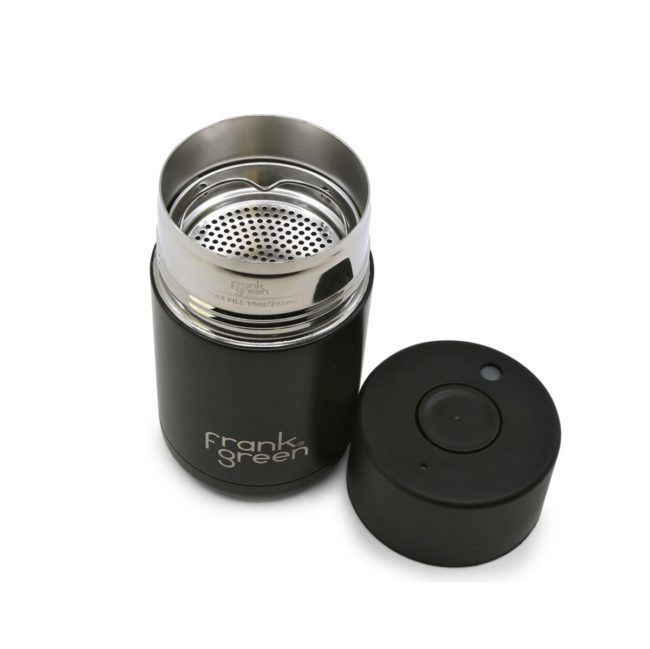
If you’re a cafe-goer, it’s near impossible that you’ve missed the surge in popularity for reusable cups.
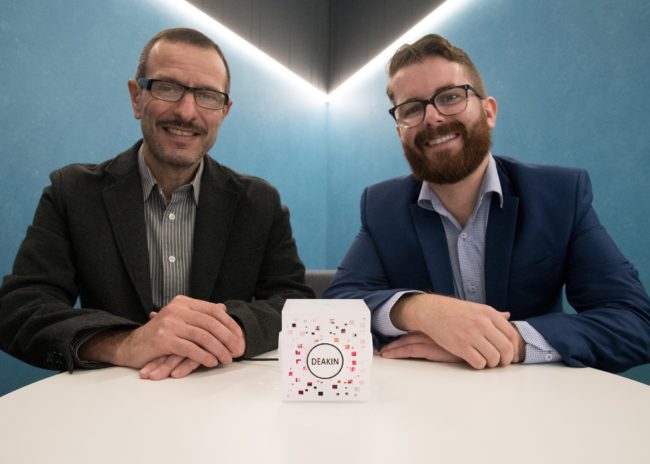
Deakin University researchers will soon test a new cloud-based monitor to track and optimise workplace comfort levels, with an aim to commercialise the device by 2020.
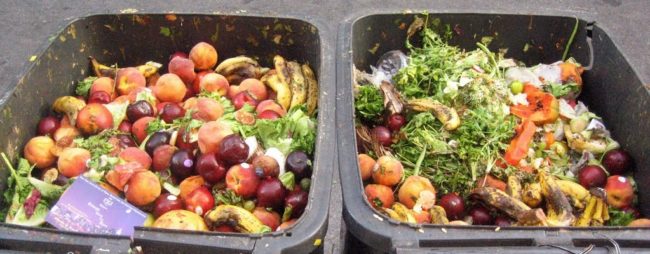
Wasted food statistics can make for depressing reading. According to the United Nations’ Food and Agriculture Organization, a third of all food worldwide – totalling 1.3 gigatonnes – is squandered annually. In Australia it’s estimated we waste $20 billion worth of food a year.
Australian manufacturing businesses can adapt and flourish by focussing on collaboration and both adopting and offering newer digital technologies, Setec is proving.

Another round of Accelerating Commercialisation grants has been announced, with a total of $5.3 million awarded to 15 businesses.